Trying to choose between East Boca and West Boca? The difference is not just a map detail. It can shape how you spend your mornings, run errands, make dinner plans, and get around during the week. If you are deciding where in Boca Raton your lifestyle fits best, this guide will help you compare the day-to-day feel of each side. Let’s dive in.
East Boca at a glance
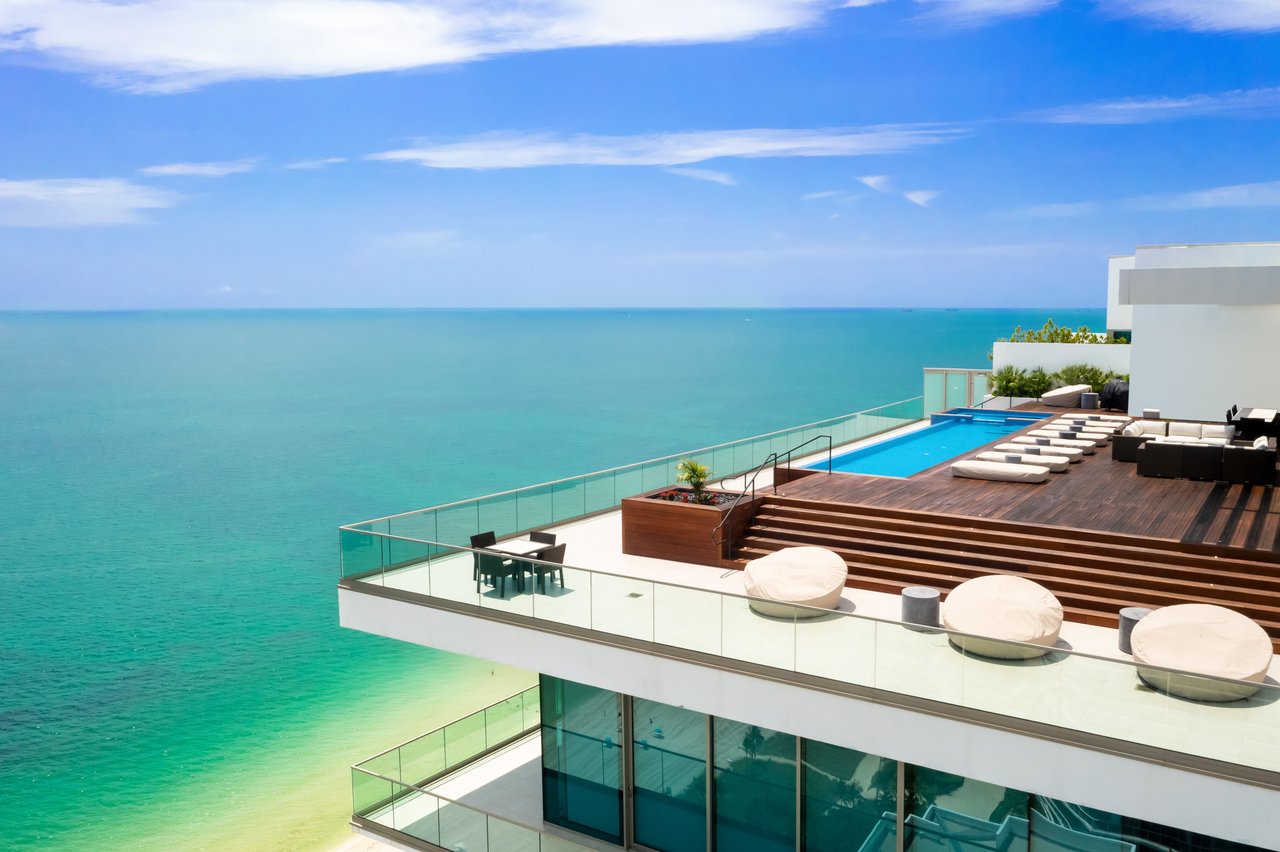
East Boca is best understood as the coast-and-downtown side of the city. In practical terms, the city’s east side includes areas east of I-95 and Federal Highway, with several zones extending east of the Intracoastal.
For everyday life, that often means you are closer to the beach, downtown destinations, and a more connected urban layout. Your routine may feel more spontaneous, with beach time, dining, and errands fitting into the same outing.
West Boca at a glance
West Boca is the inland side of Boca Raton. In practical terms, the city’s west side runs from I-95 west toward Military Trail and the city limits.
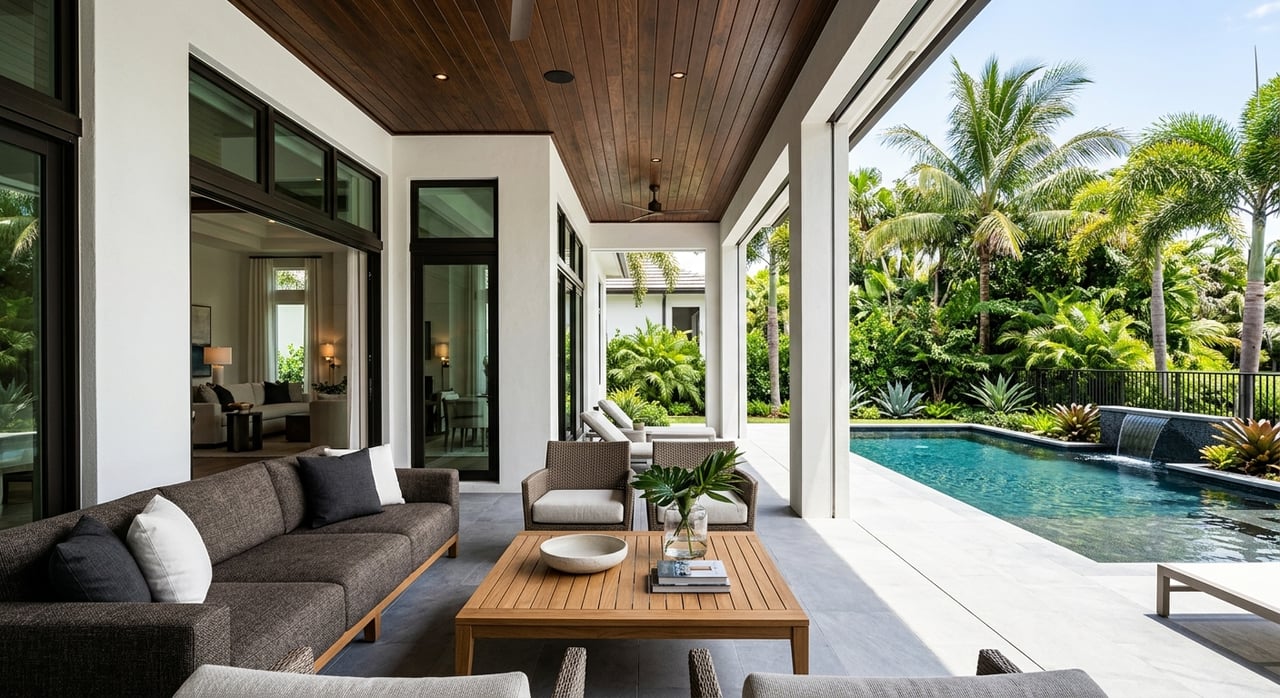
The day-to-day rhythm here tends to feel more self-contained. Many west-side areas are shaped by village-style layouts, private club communities, and larger retail destinations, which can create a more planned, amenity-centered routine.
Beach access in East Boca
One of the clearest lifestyle differences is how close you are to the ocean. Boca Raton’s city beach parks, including Spanish River Park, Red Reef Park, and South Beach Park, are all on the ocean side of the city along A1A or North Ocean Boulevard.
That geography matters in real life. In East Boca, a beach walk, a quick stop by the water, or an early morning outing can feel like part of your normal weekly routine instead of a special trip.
Spanish River Park also stands out for its Blue Flag designation. The city notes that Boca’s beach is one of only three beaches in the United States to receive that recognition, which reinforces the appeal of the east side for buyers who want a true coastal lifestyle.
Downtown life in East Boca
East Boca also benefits from a more walkable downtown pattern. The Downtown Boca CRA covers 344 acres, and the city’s downtown planning emphasizes sidewalks, pedestrian pathways, crosswalks, benches, walkability connectors, and a mixed-use urban village concept.
In plain terms, that can make daily life feel more compact and flexible. You may be able to combine dinner, a movie, shopping, and basic errands in one area without making multiple separate stops across town.
Mizner Park is one of the strongest examples of that setup. The city highlights it as a walkable destination with more than 40 shops and dining spots, luxury residences, and an iPic movie theater.
Shopping and dining patterns
Boca Raton is known for dining and shopping, but how you experience those options can feel different depending on which side of the city you live on. East Boca often offers a more clustered pattern, while West Boca tends to center more around larger inland destinations.
On the east side, downtown destinations like Mizner Park and Royal Palm Place can support a more out-and-about routine. If you enjoy shorter outings with several stops close together, that setup may feel more natural.
On the west side, Town Center at Boca Raton plays a major role in everyday errands and shopping. The city points to it as one of South Florida’s top luxury shopping destinations, and Simon describes it as an indoor luxury shopping destination with upscale and specialty retailers.
That often creates a different rhythm. Instead of moving between beach, downtown, and smaller retail pockets, your day may be built around one larger retail stop and a more car-based route.
Club living in West Boca
For many people, West Boca is closely tied to private club living. This is one of the biggest lifestyle distinctions between the two sides of the city.
Boca West describes itself as a private, gated club community with 55 distinct villages, three clubhouses, eight dining venues, more than 450,000 square feet of amenities, and four 18-hole golf courses. Broken Sound Club describes a resort-style setting with two championship 18-hole courses and multiple dining venues, while Woodfield Country Club highlights golf, tennis, pickleball, wellness, dining, and social spaces.
If that kind of amenity access matters to you, West Boca may feel especially attractive. Your daily schedule may naturally revolve around club dining, golf tee times, racquet sports, fitness, and social events instead of downtown outings or beach stops.
Neighborhood feel and layout
East Boca and West Boca also feel different in the way places are organized. East Boca leans more toward a mixed-use, pedestrian-friendly environment, especially near downtown.
West Boca tends to feel more village-based and amenity-centered. Many west-side communities are organized around clubhouses, shared facilities, and internal neighborhood layouts rather than a downtown street grid.
That does not make one side better than the other. It simply means your day may feel more walkable and outward-facing in East Boca, or more residential and self-contained in West Boca.
Getting around East Boca
Mobility is another practical difference. If you expect to use rail service or want easier access to downtown transportation options, East Boca has a clear advantage.
Brightline’s Boca Raton Station is located at 101 NW 4th Street, and the company notes that it is within walking distance of top downtown destinations. The city’s BocaConnect on-demand shuttle also serves the area south of Glades Road, east of I-95, north of the Hillsboro Canal, and west of NE 5th Way, SE 5th Avenue, and Royal Palm Way, with service aimed at downtown mobility and the Brightline station.
That can make East Boca appealing if you value shorter hops to downtown destinations and a transportation network centered around the urban core.
Getting around West Boca
West Boca’s transit picture is more closely tied to the Yamato Road corridor. Tri-Rail’s Boca Raton Station is located at 680 Yamato Road and offers free parking for commuters.
The city says the station connects by free shuttles to the Park at Broken Sound, Town Center at Boca Raton, Florida Atlantic University, Lynn University, and more. Tri-Rail also notes connections to Palm Tran routes, including Route 94 for FAU and PBSC.
For west-side residents, this is the clearest transit-oriented part of daily life. It is less about walkable downtown access and more about driving or shuttle-based connections to key destinations.
Which lifestyle feels more like you?
If you picture a routine that includes quick beach access, downtown dinners, and a more compact day-to-day layout, East Boca may be the better fit. The strongest appeal here is the combination of ocean proximity, walkability, and clustered destinations.
If you picture a routine built around club amenities, golf, racquet sports, larger retail stops, and a more self-contained residential pattern, West Boca may feel more aligned with how you want to live. The strongest appeal here is amenity access and a more village-style daily rhythm.
The key difference is not simply older versus newer homes. It is really coast-and-downtown access versus club-and-amenity access.
How to narrow your decision
If you are comparing East Boca and West Boca, it helps to think beyond square footage or price. Start with how you want a normal Tuesday to feel.
Ask yourself a few simple questions:
- Do you want to be close to the beach?
- Would you use a walkable downtown regularly?
- Do private club amenities matter to you?
- Do you prefer several smaller outings or one larger errand run?
- Would you benefit more from access to Brightline or the Yamato Tri-Rail corridor?
When you answer those questions honestly, the right side of Boca often becomes much clearer.
Whether you are searching for a coastal condo, a downtown residence, a golf community home, or a more private luxury setting, the best choice usually comes down to how you want to live every day. If you want local guidance tailored to your goals, connect with The Matt & Nick Team for strategic insight across Boca Raton’s east and west sides.
FAQs
What is the main lifestyle difference between East Boca and West Boca?
- East Boca is centered more on beach access, downtown walkability, and compact outings, while West Boca is centered more on club communities, inland amenities, and a more self-contained routine.
Is East Boca closer to Boca Raton beaches?
- Yes. Boca Raton’s city beach parks, including Spanish River Park, Red Reef Park, and South Beach Park, are all located on the ocean side of the city.
Does West Boca have more club-style communities?
- Yes. West Boca is strongly associated with private club communities that feature villages, clubhouses, dining, golf, racquet sports, wellness, and social amenities.
Which side of Boca Raton is more walkable for daily activities?
- East Boca is generally better positioned for walkable downtown outings because the downtown area emphasizes sidewalks, pedestrian pathways, crosswalks, and mixed-use planning.
Which side of Boca Raton is better for train access?
- It depends on your routine. East Boca is closer to the downtown Brightline station and BocaConnect service, while West Boca is more closely tied to the Yamato Road Tri-Rail station and its shuttle links.