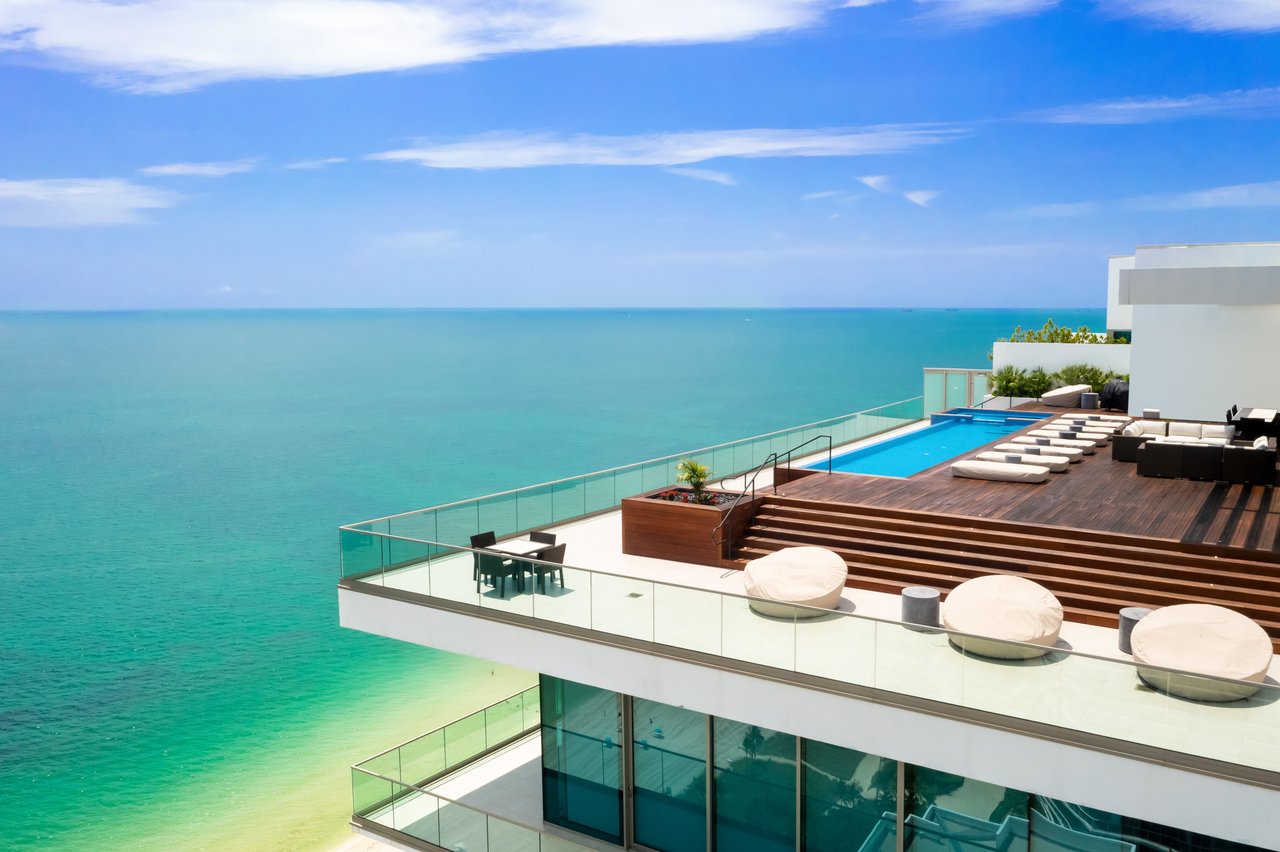
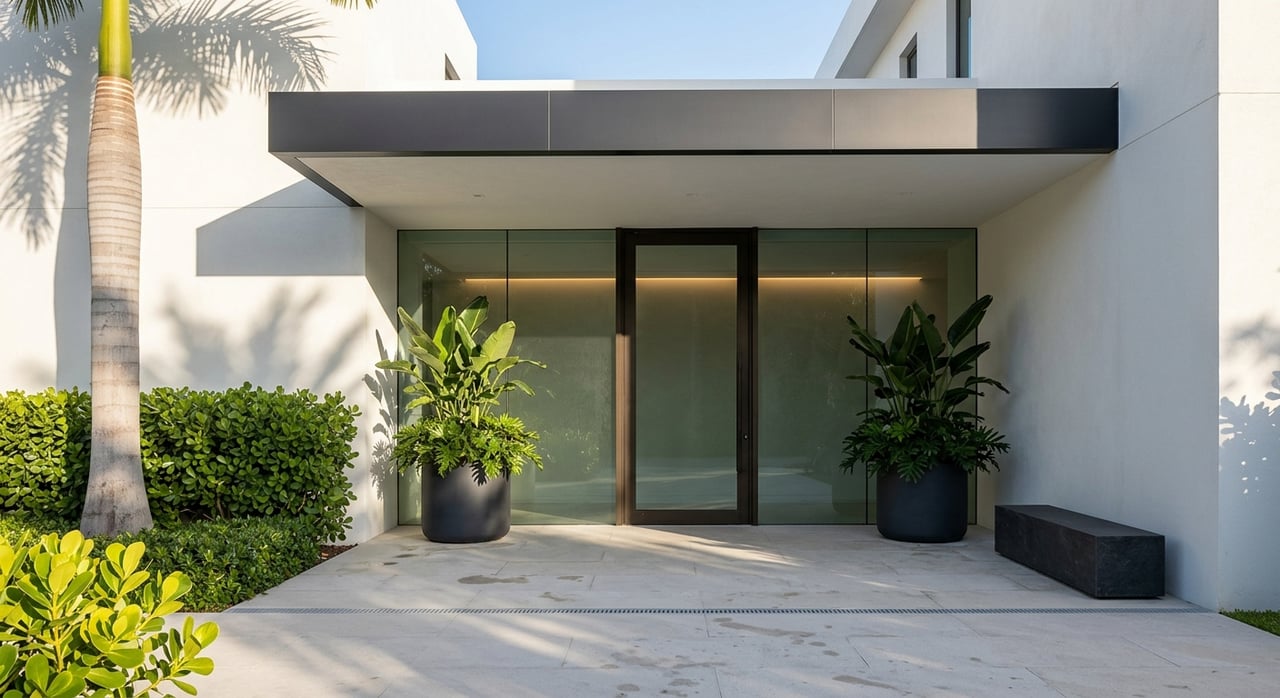
If you are deciding between a Palm Beach condo and an estate, you are not just choosing square footage. You are choosing how you want to live day to day, how much responsibility you want to carry, and how you want to balance convenience, privacy, and control. In a town shaped by coastal rules, zoning, and building oversight, that choice matters more than many buyers expect. Let’s dive in.
Why this choice feels different in Palm Beach
Palm Beach is not a market where condos and estates are interchangeable versions of luxury living. The Town’s comprehensive plan shows 5,439 condominium units and 2,393 single-family homes, with 61.4% of the housing supply in buildings with 20 or more units. That means condos are a major part of the local housing landscape, while estates sit in a more limited supply.
The town’s layout also reinforces that difference. Single-family homes are generally concentrated in specific residential districts, while multi-family properties occupy their own mapped land-use areas. In Palm Beach, your property type affects not only your lifestyle, but also the rules, review process, and long-term ownership experience.
What condo living usually offers
For many buyers, a condo is about simplicity. If you want a lock-and-leave home, shared amenities, and less hands-on exterior upkeep, a condo often fits that goal better than a detached house. This can appeal to second-home buyers, frequent travelers, and relocating executives who want Palm Beach access without managing every part of the property themselves.
That convenience comes with a different ownership structure. In a condo, the association plays a major role in budgeting, maintenance, insurance, and capital planning. So while your day-to-day responsibilities may feel lighter, your due diligence needs to be sharper before you buy.
Condo insurance works differently
A common mistake is assuming the condo association insures everything. Florida consumer guidance says condo owners generally need an HO-6 policy, which covers personal property, certain building items within the unit, and liability. It also notes that the association’s master policy does not cover several items inside the unit the way many buyers expect.
That same guidance says HO-6 policies must include at least $2,000 of loss-assessment coverage. In practical terms, you should understand exactly where the association’s coverage stops and where your own responsibility begins. That line matters when you compare a condo’s lower-maintenance appeal with its shared financial structure.
Reserve studies and inspections matter
In today’s Florida condo market, reserve health is not a side issue. Under Florida law, residential condominium associations with buildings three habitable stories or higher must complete a structural integrity reserve study at least every 10 years. For qualifying unit-owner-controlled associations existing on or before July 1, 2022, that study had to be completed by December 31, 2025.
The law also says required reserve items cannot be waived for budgets adopted on or after December 31, 2024. Those reserve items can include the roof, structure, fireproofing, plumbing, electrical systems, waterproofing, exterior painting, windows, and exterior doors. For you as a buyer, this means a Palm Beach condo purchase should include a close look at reserve planning, not just finishes and views.
Milestone inspections add another layer. Florida law requires certain buildings three stories or more that are subject to condominium or cooperative ownership to complete milestone inspections at age 30 and every 10 years after that, with earlier inspections possible in some coastal cases. In Palm Beach, that makes inspection history, reserve studies, and assessment exposure central questions in the buying process.
What estate living usually offers
An estate usually appeals to buyers who value privacy, separation, outdoor space, and a greater degree of control. If you picture a larger lot, room for entertaining, more flexibility for pets, or a property you can tailor over time, an estate often aligns with that vision better than a condo. The tradeoff is that you take on more direct responsibility for upkeep, insurance decisions, and future capital work.
Palm Beach zoning reinforces that lifestyle. Estate-style homes are generally located in large-lot residential districts such as R-AA, R-A, and R-B. The town regulates these properties with standards tied to setbacks, height, lot coverage, and open space, which helps define both the look and the ownership experience.
More independence, but not unlimited freedom
A detached home may feel more independent, but Palm Beach is still a highly managed design environment. The town says ARCOM reviews visible modifications, new construction, and landscaping, while landmarked properties may also go through LPC review. So if your goal is to renovate, expand, or rebuild, approval timing and design standards can shape your plans.
This does not mean estate ownership is less attractive. It simply means control comes with process. Buyers who want customization should go in with a clear understanding of review requirements before assuming a house offers total flexibility.
Coastal exposure changes the equation
Palm Beach’s barrier-island setting creates another difference between estates and condos. The town describes the coastline as an area constantly affected by wind, waves, sand movement, and ongoing beach management. That coastal reality can matter even more for oceanfront or near-ocean estate properties.
The Florida Department of Environmental Protection’s Coastal Construction Control Line program regulates structures and activities that may affect erosion, dunes, or upland property, and permits are generally required for construction seaward of the line. For some estate owners, future exterior improvements, rebuild plans, seawall work, or dune-related changes may involve more permitting and engineering than a comparable mainland home.
Insurance responsibility is more direct
With an estate, you are typically managing more of the risk profile yourself. Florida consumer guidance says flood insurance is separate from homeowners coverage, and the Town notes that many residents do not realize homeowners insurance does not cover flood losses. For a Palm Beach house, especially one with coastal exposure, that distinction can have a major effect on your carrying costs and risk planning.
That is one reason an estate can feel more customizable and private, yet also more demanding. You are not relying on an association to handle many of the building-level responsibilities. Instead, you are making those decisions directly.
How taxes and carrying costs affect the decision
Purchase price is only part of the picture. In Palm Beach, recurring costs can be the deciding factor between a condo and an estate, especially if the property will be a second home. Palm Beach County’s assessment rules make that distinction important.
The Property Appraiser says homestead-exempt properties are limited to a 3% annual increase in assessed value or CPI, whichever is lower. Non-homestead properties, including second homes and vacation homes, are capped at 10% per year except for school-board millage. The office also notes that millage rates and non-ad valorem assessments can still increase the tax bill, so a cap does not freeze total carrying cost.
Flood insurance is another factor to weigh. The Town says its current flood insurance rate maps became effective on December 20, 2024, and that Palm Beach is a Class 6 NFIP community, which gives NFIP flood policyholders a 20% annual discount. Whether you are comparing condo fees and assessments or the direct insurance and maintenance costs of an estate, recurring ownership expense deserves as much attention as the purchase contract.
Which lifestyle may fit you best
There is no one-size-fits-all answer in Palm Beach. The right choice usually depends on how you plan to use the property and how involved you want to be after closing.
A condo may fit you if you want:
- A lock-and-leave setup
- Shared services and lower exterior maintenance
- Amenity-driven living
- A second-home base with less hands-on oversight
- A simpler day-to-day ownership experience, assuming the association is financially healthy
An estate may fit you if you want:
- More privacy and separation
- Outdoor living and entertaining space
- Greater room for pets or multigenerational use
- More customization potential
- Direct control over the property, even with added upkeep and planning responsibility
Smart due diligence before you decide
In Palm Beach, the smartest buyers do more than compare floor plans. They compare the ownership structure behind the property.
Condo due diligence checklist
Before buying a condo, review:
- The structural integrity reserve study
- Any milestone inspection summary
- The reserve funding schedule
- The building’s special assessment history
- The association master-policy deductible
- Your potential loss-assessment exposure
Florida’s DBPR guidance says inspection reports and reserve studies are part of the association’s official records and must be provided to potential purchasers. That makes document review a core part of the condo-buying process.
Estate due diligence checklist
Before buying an estate, review:
- Flood-zone status
- Flood and wind coverage options
- Coastal Construction Control Line exposure for oceanfront sites
- ARCOM requirements for future renovations
- LPC requirements if the property is landmarked
This is where local strategy matters. A beautiful estate can offer extraordinary privacy and flexibility, but you want to understand the permitting, design review, and insurance framework before you commit.
The bottom line on Palm Beach condos vs estates
If convenience, shared services, and a lock-and-leave lifestyle are at the top of your list, a condo often makes the most sense in Palm Beach. If privacy, outdoor space, and customization matter more, an estate is often the better fit. Neither is automatically better. The smarter question is which ownership model supports the way you actually want to live.
In a market as nuanced as Palm Beach, that decision deserves more than a quick online search. You want clear guidance on inventory, ownership costs, property restrictions, and the tradeoffs that are easy to miss until you are deep into the process. If you are weighing condos against estates in Palm Beach, The Matt & Nick Team can help you evaluate the lifestyle and due-diligence side of the decision with the discretion and local insight luxury buyers expect.
FAQs
What is the main lifestyle difference between Palm Beach condos and estates?
- In Palm Beach, condos usually offer more convenience, shared services, and a lock-and-leave setup, while estates usually offer more privacy, outdoor space, and control with greater direct responsibility.
What should you review before buying a Palm Beach condo?
- You should review the structural integrity reserve study, milestone inspection information, reserve funding, special assessment history, and insurance responsibilities tied to both the association and your own HO-6 policy.
What should you review before buying a Palm Beach estate?
- You should review flood-zone status, flood and wind insurance needs, any Coastal Construction Control Line issues, and local review requirements that may affect renovations, landscaping, or rebuilding.
Are property taxes different for a Palm Beach primary home and second home?
- Yes. Palm Beach County says homestead-exempt properties have a lower annual assessment cap than non-homestead properties such as second homes and vacation homes, although other parts of the tax bill can still change.
Why are condo reserve studies so important in Palm Beach?
- Florida law requires reserve planning for certain condominium buildings, and those studies help you understand future repair funding, building condition, and potential assessment exposure before you buy.