MATT & NICK TEAM
Office
648 George Bush Blvd
Delray Beach FL 33483

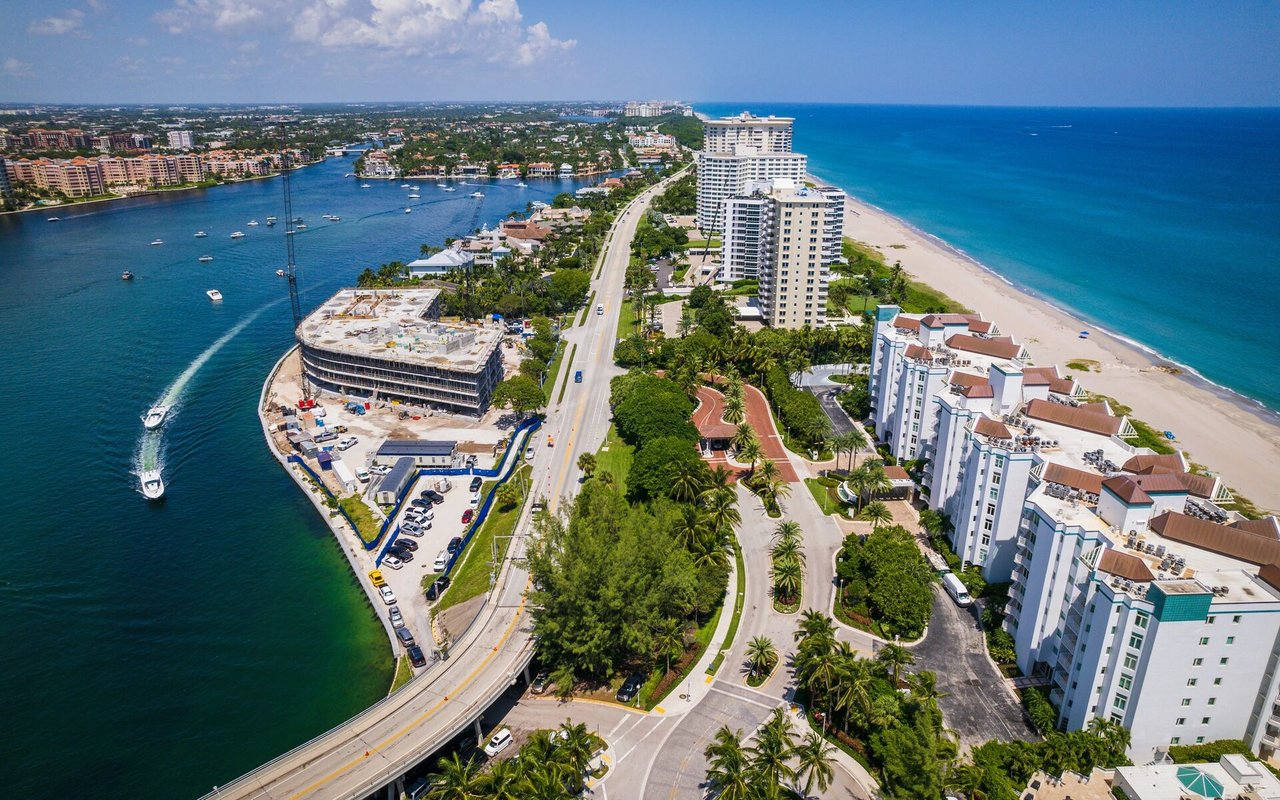
245,646 people live in Boca, where the median age is 47.6 and the average individual income is $62,925. Data provided by the U.S. Census Bureau.
Total Population
Median Age
Population Density
Average individual Income
Boca Raton is South Florida's version of a curated life. It's where New York energy meets Florida ease — a city that takes its schools, restaurants, golf courses, and HOA landscaping equally seriously. The vibe is polished but not pretentious, and the residents tend to be ambitious, health-conscious, and deeply invested in their community.
It's not just a suburb — it's a destination. The Mediterranean architecture, manicured streetscapes, and ocean proximity give it a resort-like quality that most cities can only imitate. Whether you're a young professional commuting to Miami via Brightline, a family chasing A-rated schools, or a retiree looking for a world-class country club lifestyle, Boca has a lane for you.
Boca Raton's identity was essentially designed from scratch. In the 1920s, architect Addison Mizner set the visual blueprint — Mediterranean Revival style, pink stucco, red barrel-tile roofs, arched colonnades — and the city has fiercely protected that aesthetic ever since. Mizner's vision was for an ultra-exclusive resort town, and while the Great Depression halted his grandest plans, the DNA stuck.
The city incorporated in 1925 and spent the mid-20th century growing quietly as a suburban outpost. Then in 1981, IBM changed everything when it introduced the personal computer from its Boca Raton campus, putting the city on the global map as a hub of innovation, not just leisure. That "smart city" identity — high-achieving professionals alongside sun-seekers — became Boca's defining trait. The post-2020 migration wave from the Northeast turbocharged growth, bringing wealth, demand, and new development that the city is still absorbing.
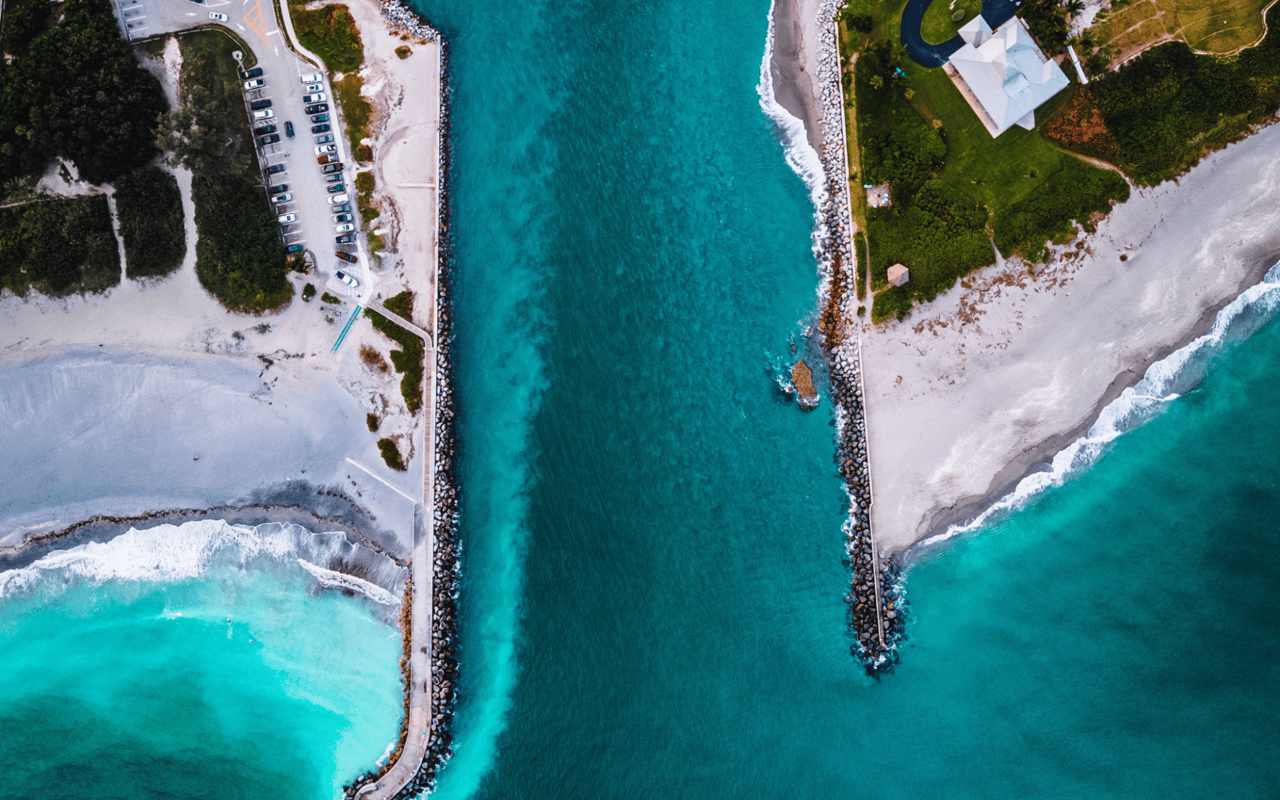
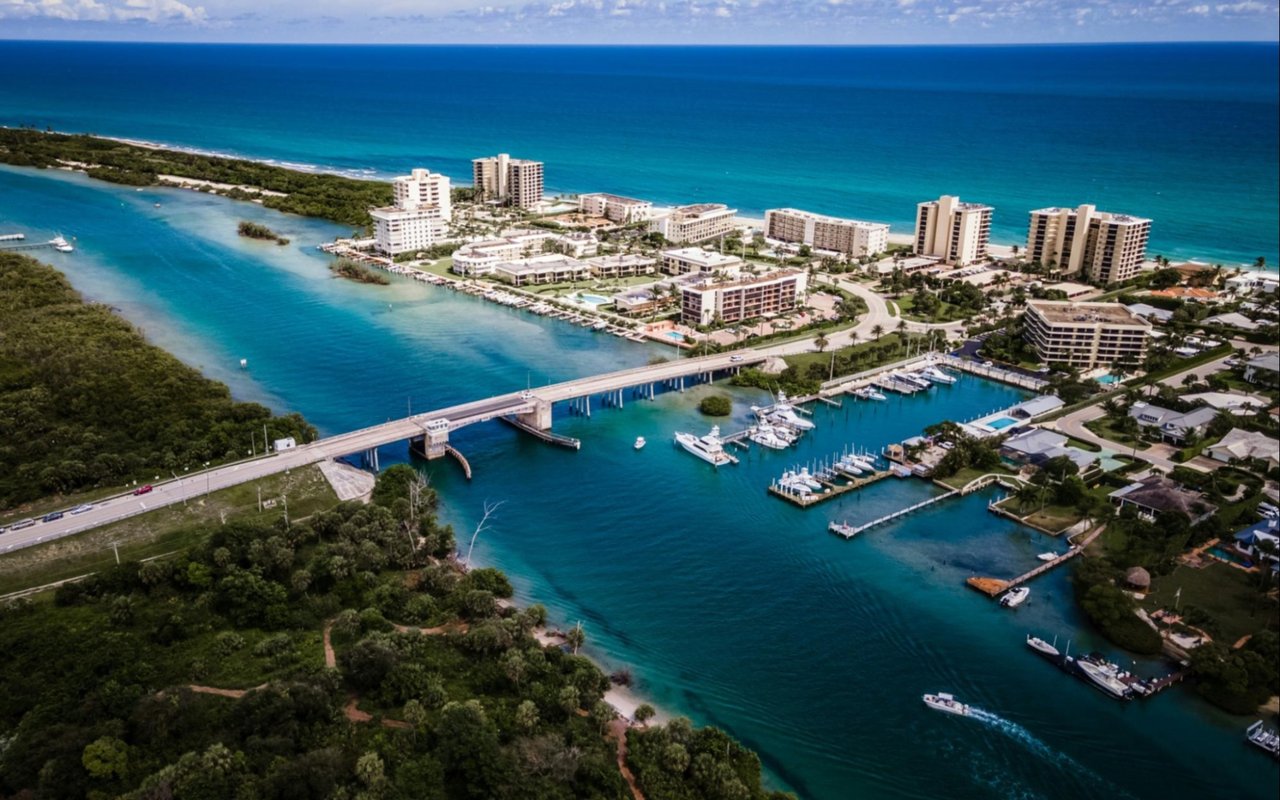
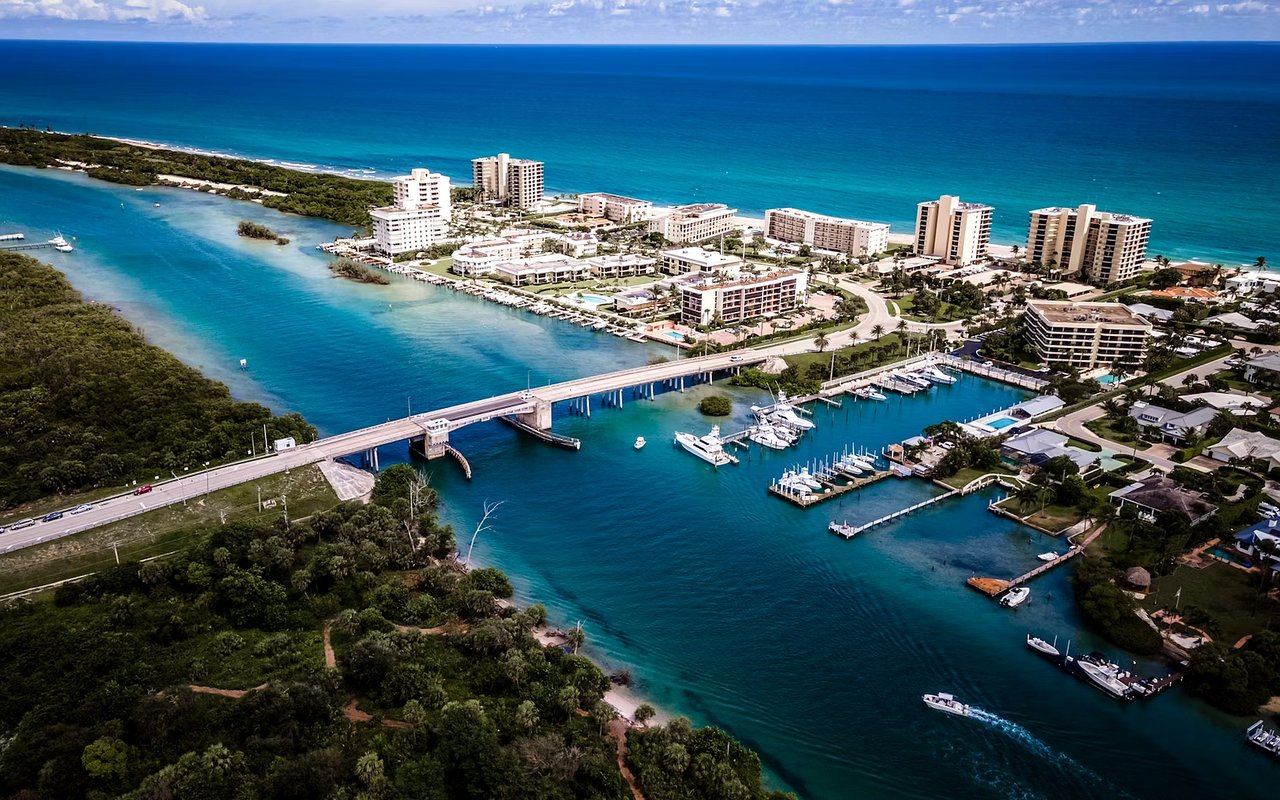
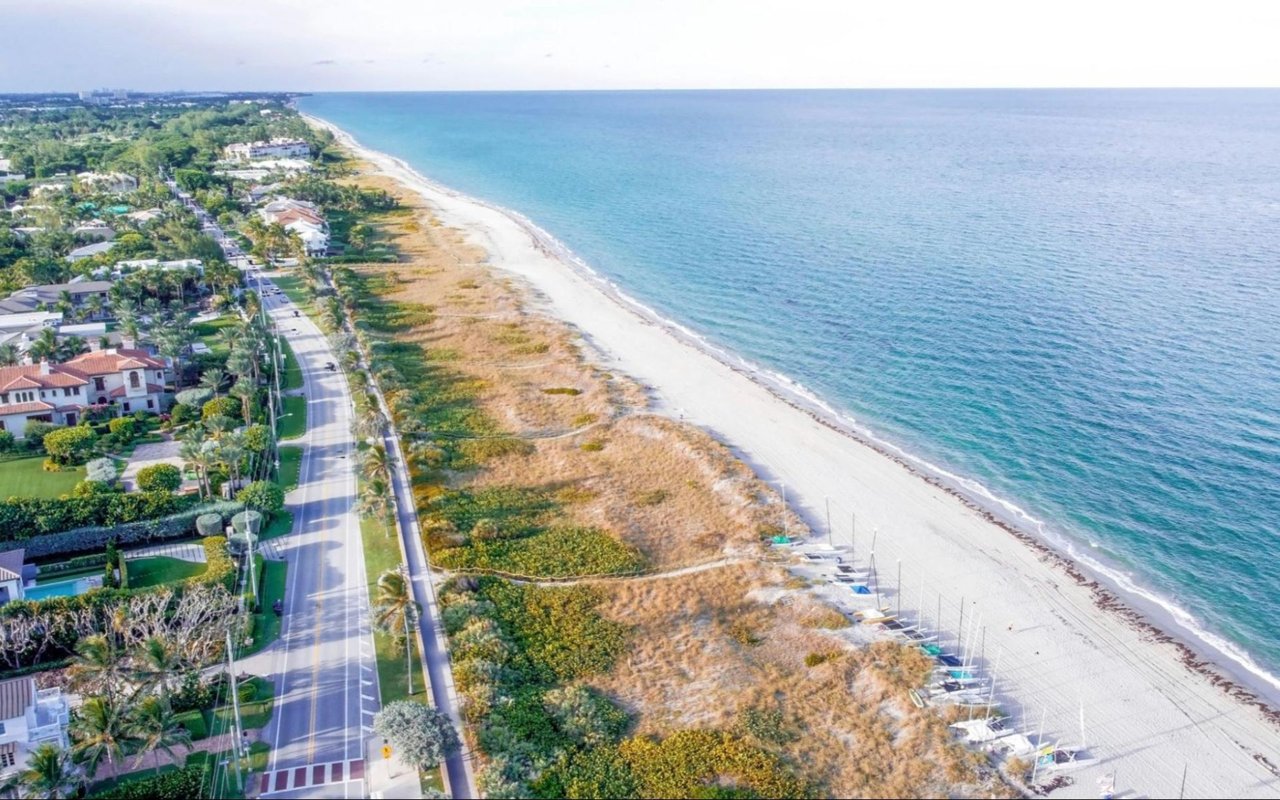
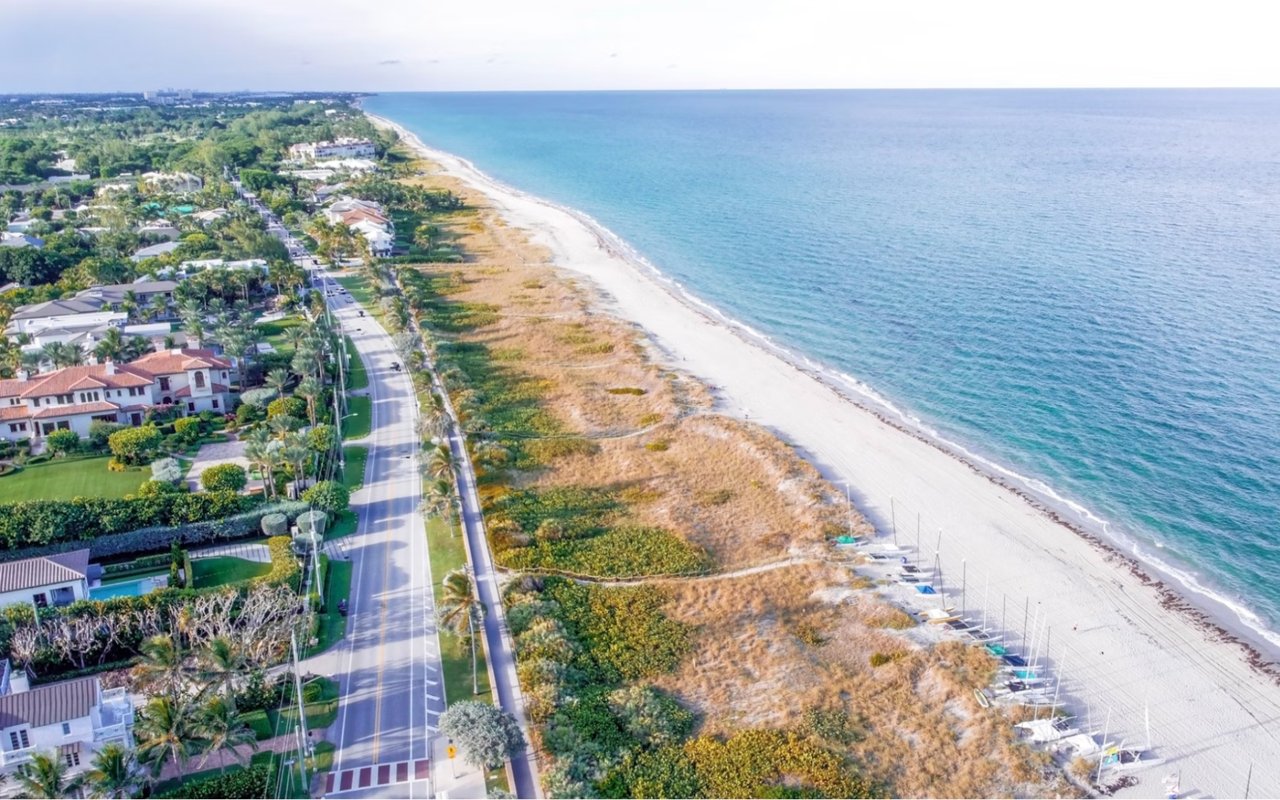
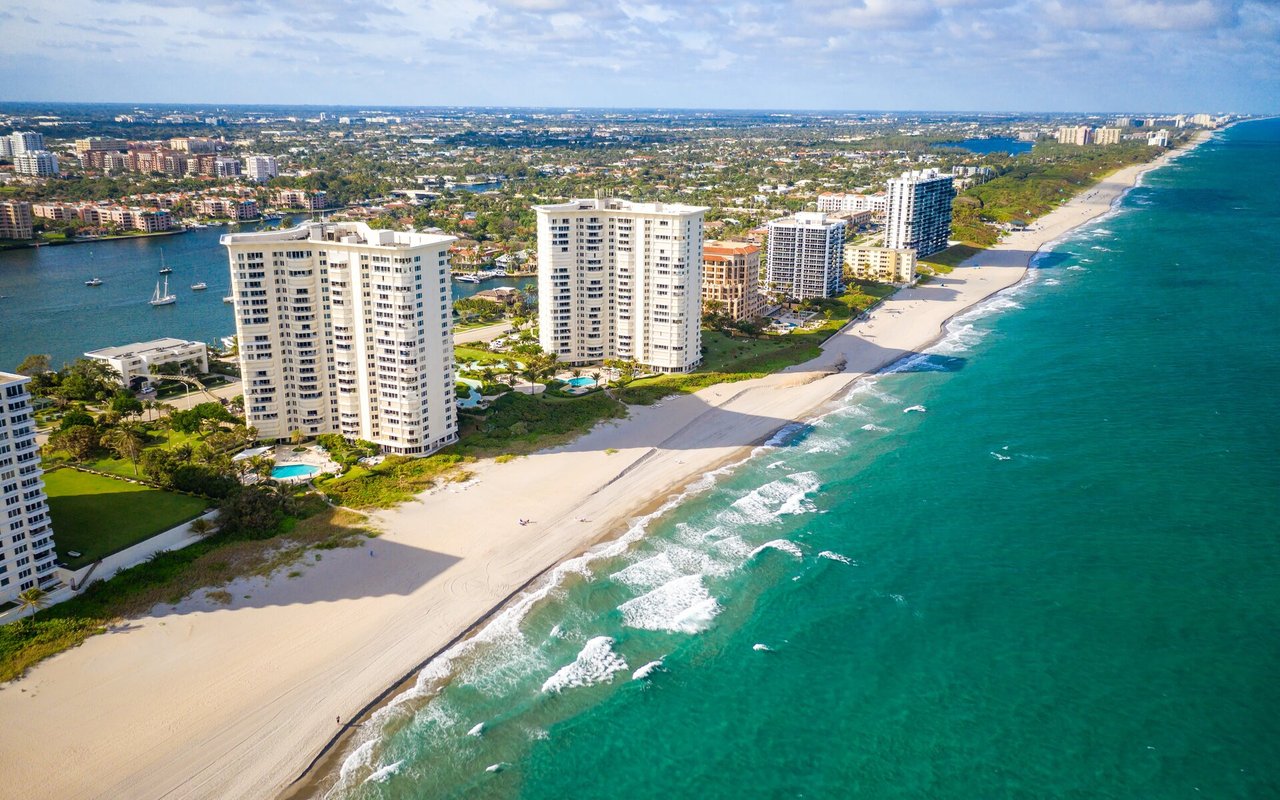
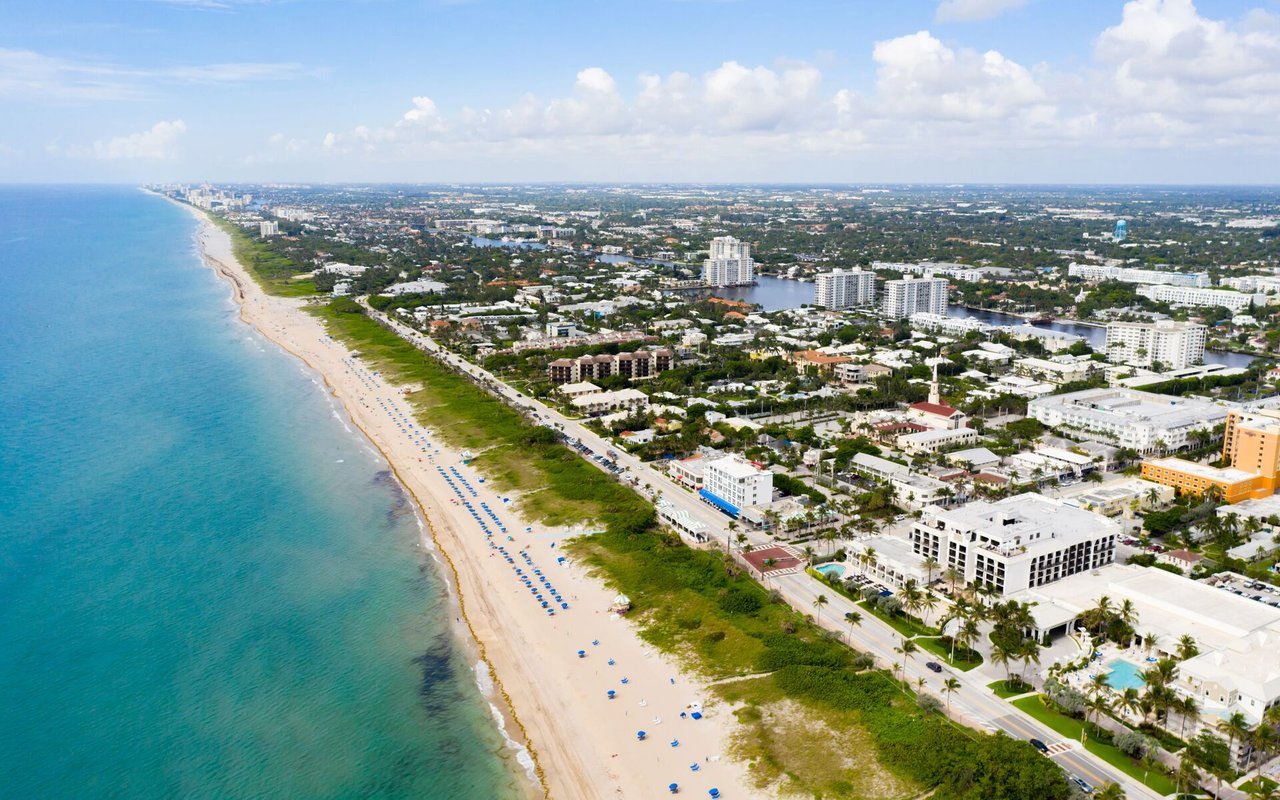
Boca Raton sits in southeastern Palm Beach County, sandwiched between Delray Beach to the north and Deerfield Beach to the south. It straddles the Atlantic coast, with beachfront neighborhoods east of A1A and sprawling gated communities spreading west toward the Everglades.
The city is roughly 25 miles north of Fort Lauderdale and 45 miles north of Miami, both accessible via I-95 or Florida's Turnpike. The Atlantic Ocean defines its eastern edge, and the geography splits the city into two distinct personalities: East Boca (older, more eclectic, closer to the water) and West Boca (newer, more suburban, more gated community-driven).
The Boca Raton market has settled into a balanced phase after the post-pandemic frenzy. The median sale price sits around $860,000, with appreciation running at a measured 2–4% annually — healthy, but no longer the double-digit spikes of 2021–2023.
Inventory has expanded considerably, with roughly 2,300+ homes on the market at any given time and about 4–5 months of supply. Homes are averaging 91 days to contract, which means sellers can no longer rely on urgency to close deals. Buyers now have real negotiating power — inspections, repair credits, and closing cost concessions are back on the table. It's a balanced market leaning slightly toward buyers, which is a meaningful shift from even two years ago.
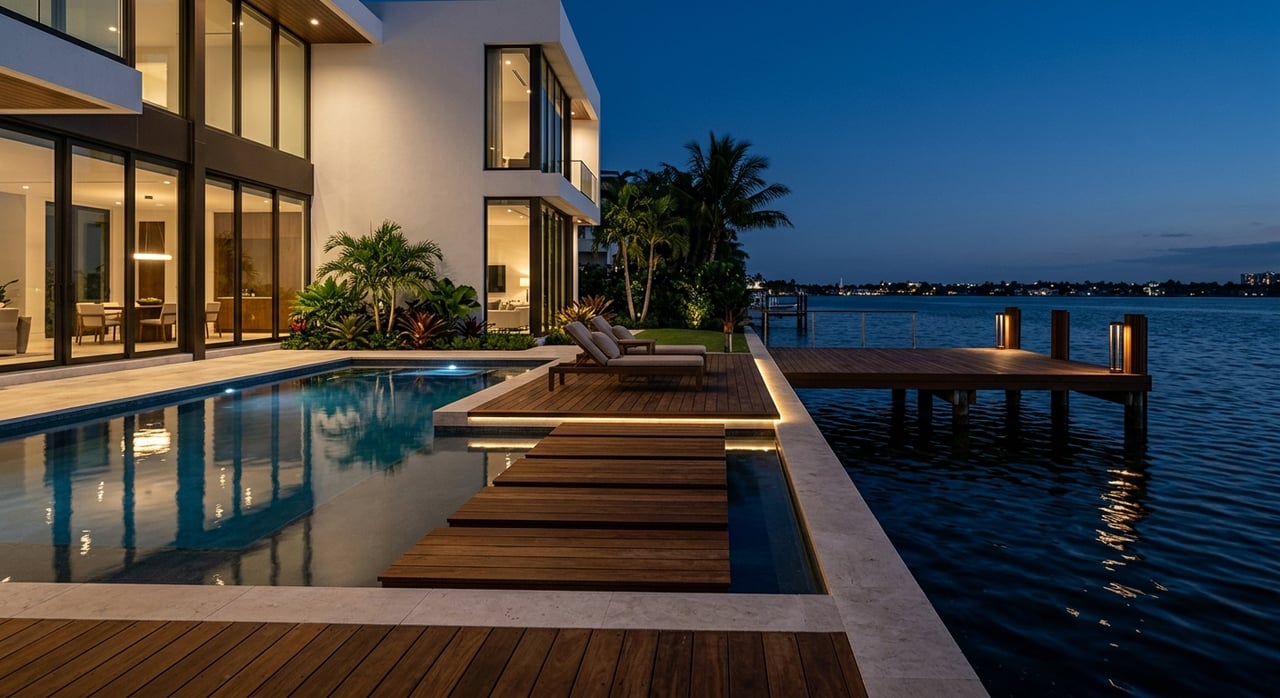
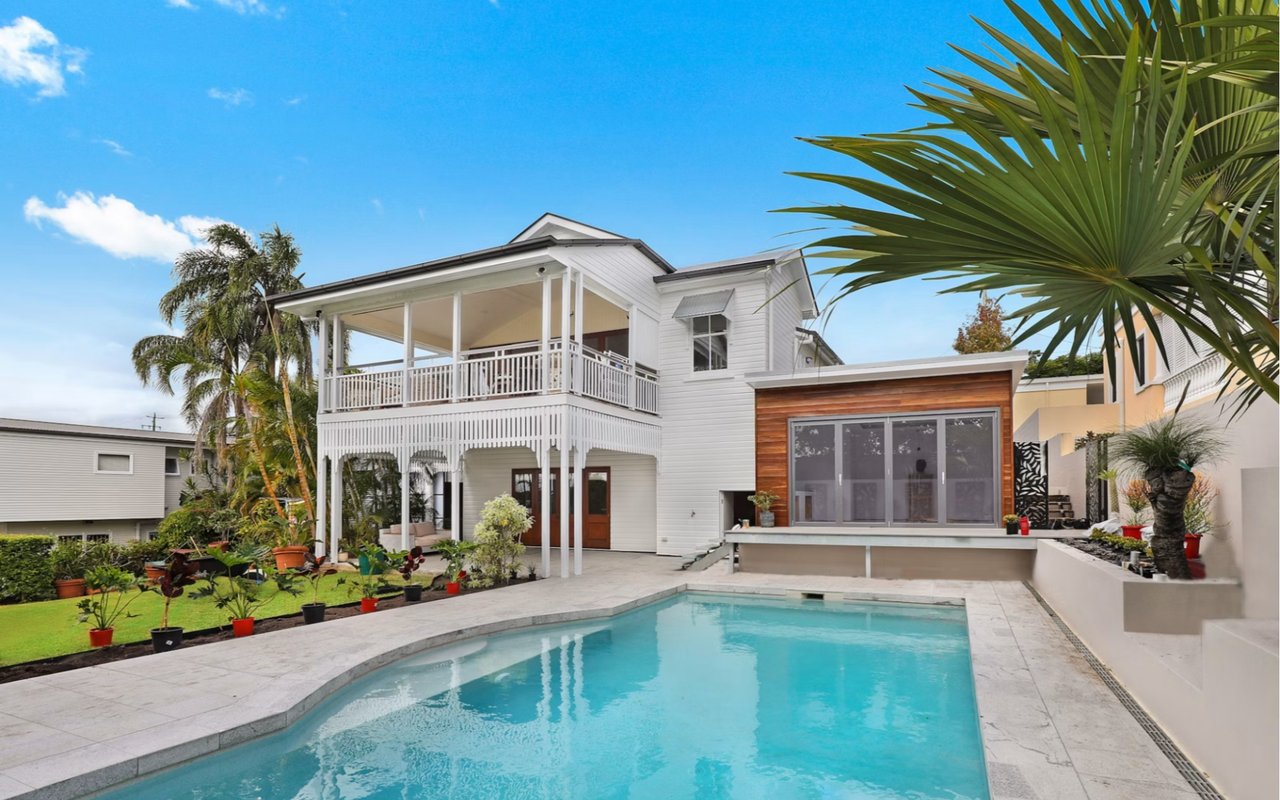
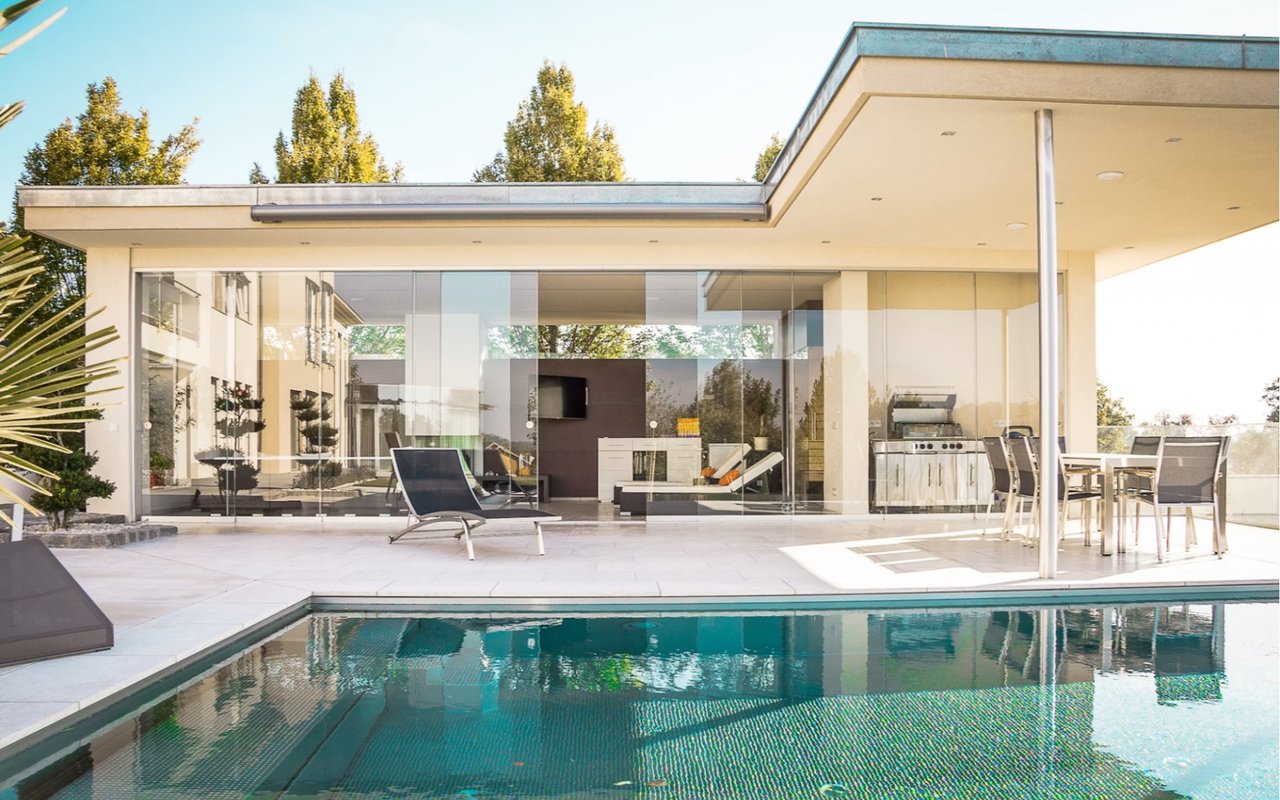
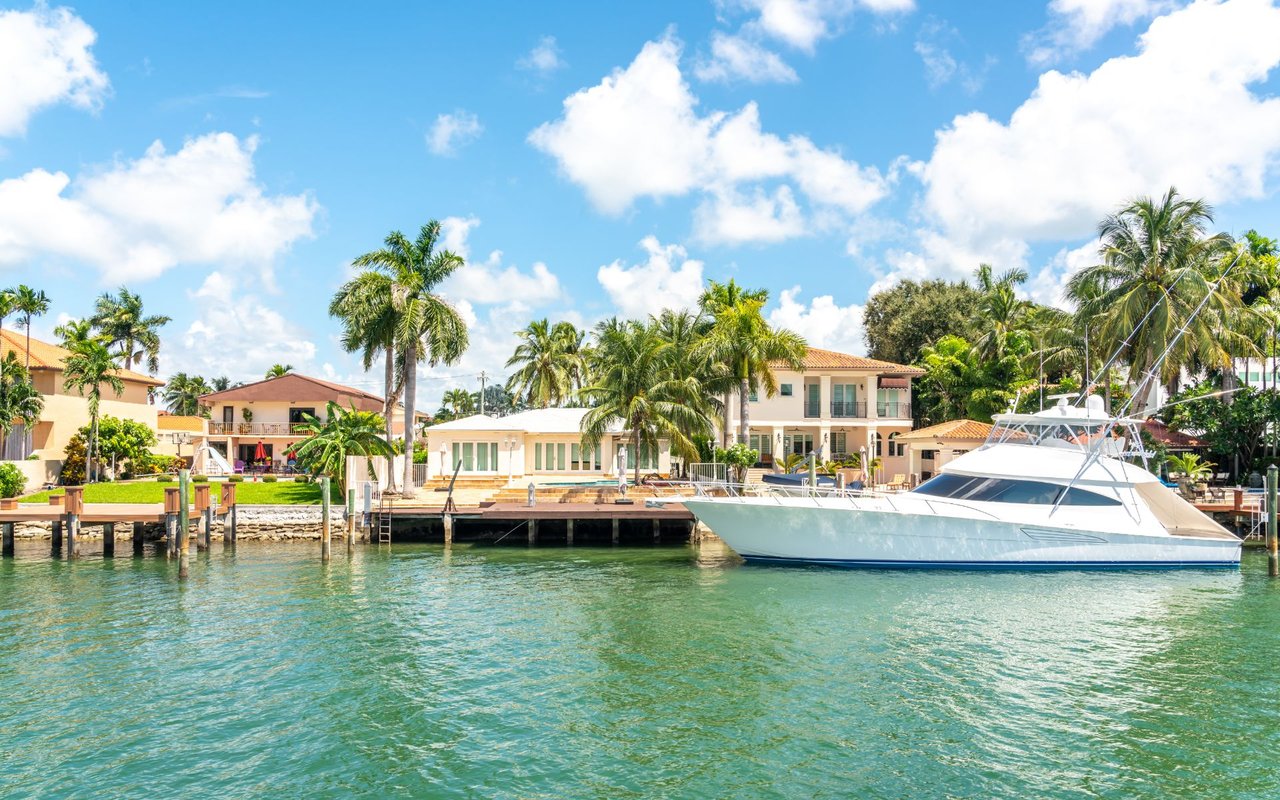
The range is genuinely wide. On one end you have ultra-luxury waterfront estates in Royal Palm Yacht & Country Club and The Sanctuary, where prices regularly exceed $10M and new construction can push $30–40M. On the other, mid-century ranch homes in established neighborhoods like Boca Raton Square offer entry points without HOA fees.
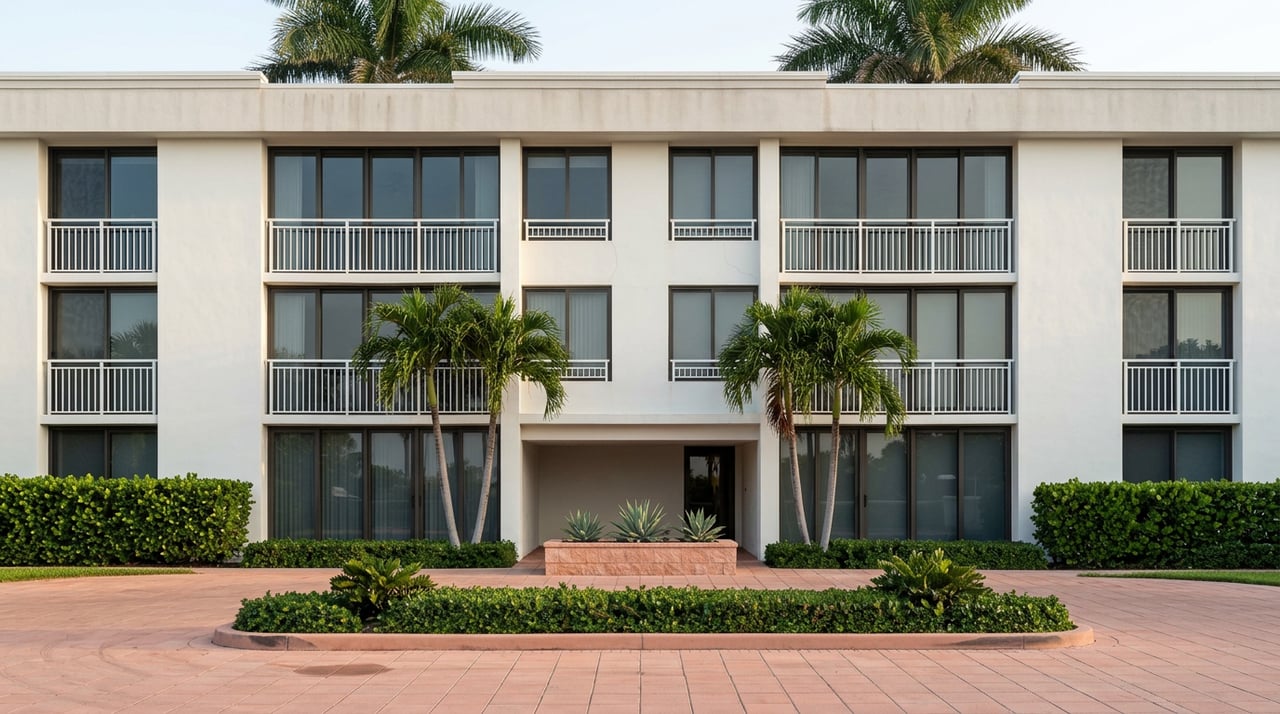
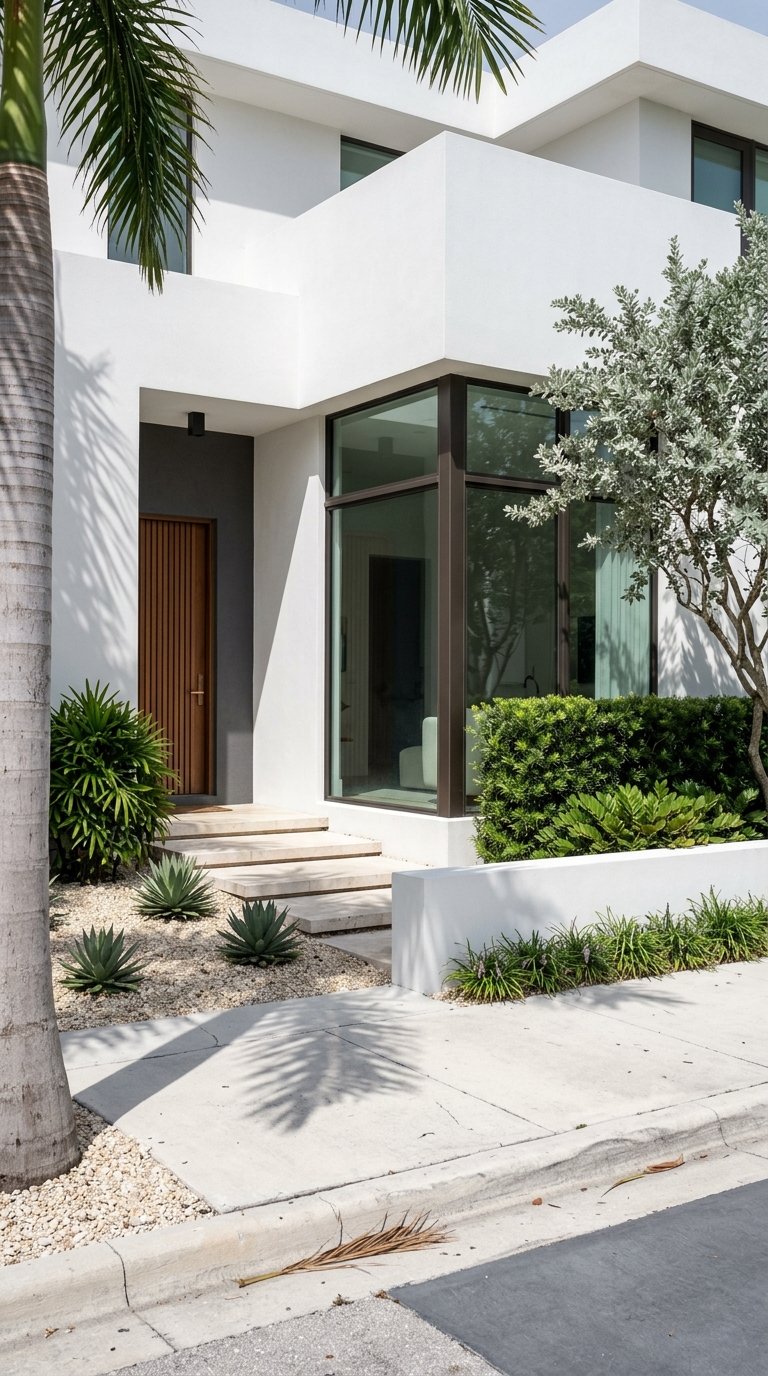
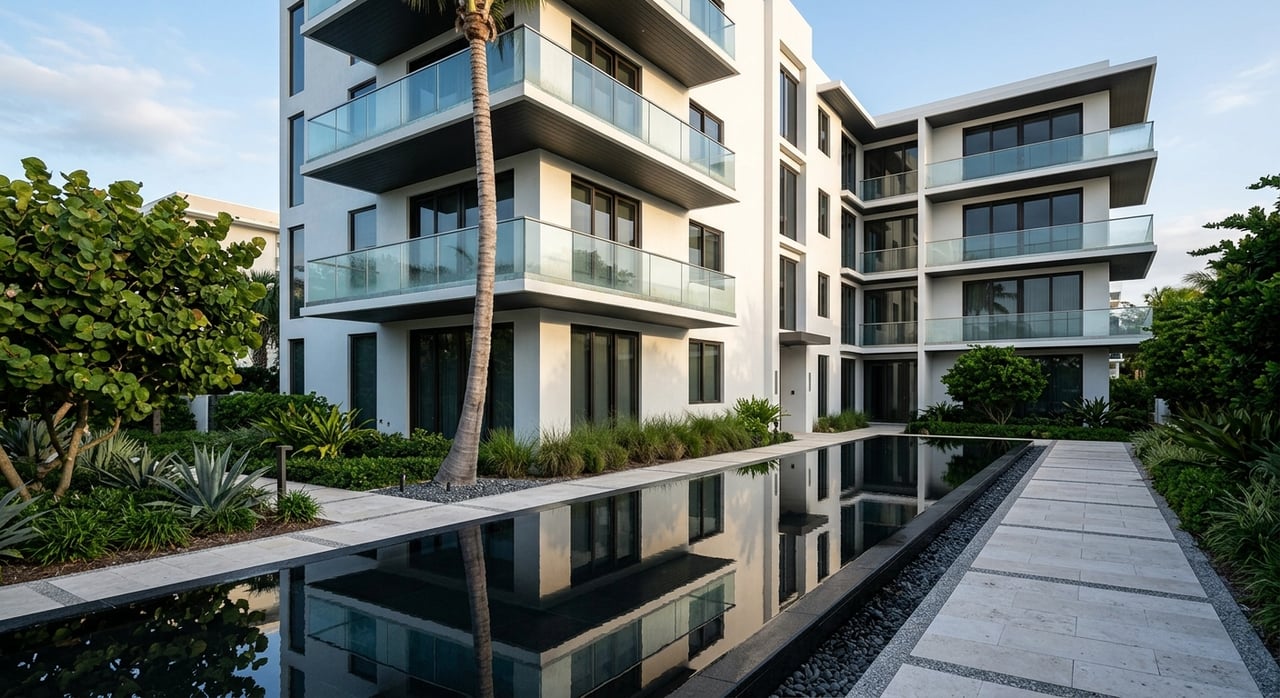
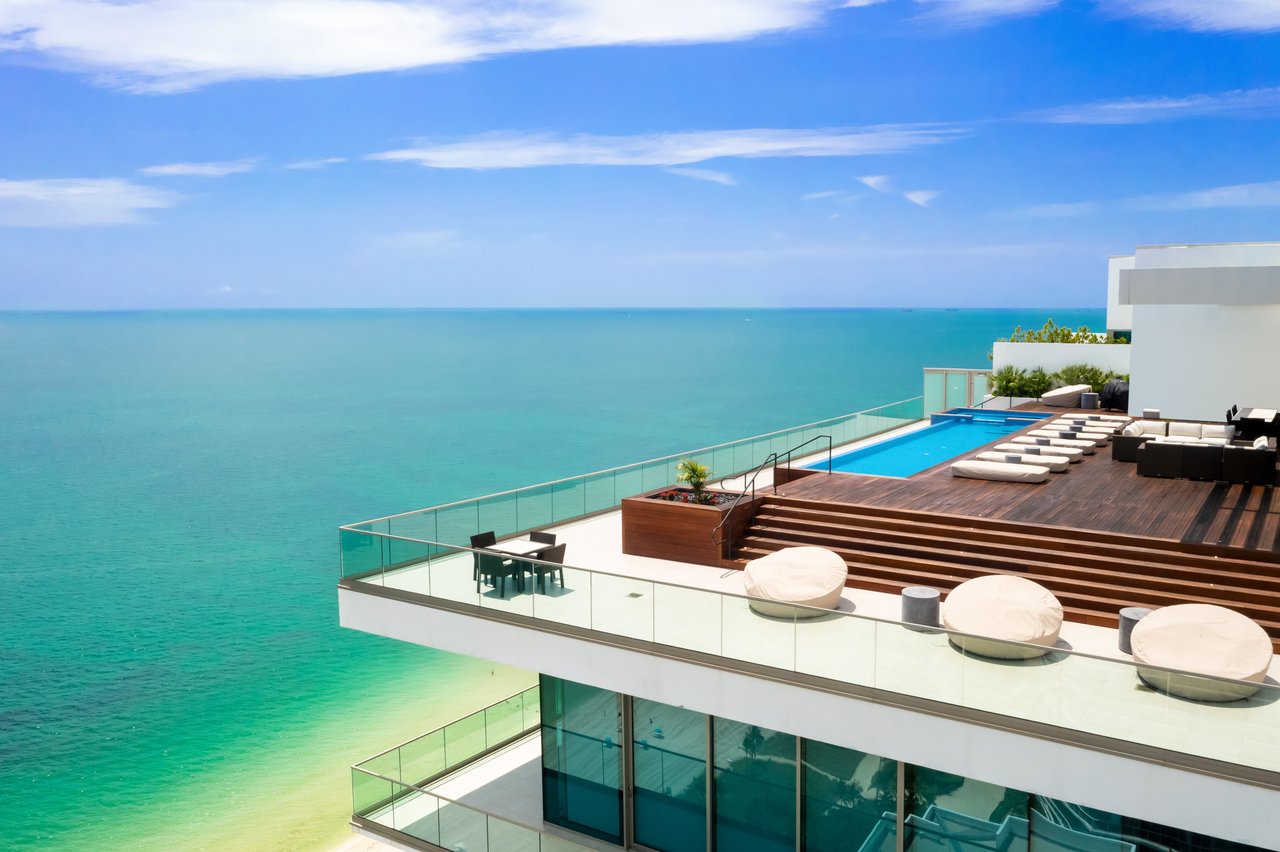
West Boca is dominated by gated communities like Boca Bridges and Lotus — modern builds with resort amenities, security, and strong HOAs. Downtown has seen a surge of luxury condos (think Alina Residences with rooftop pools and valet) aimed at the lock-and-leave crowd. Along A1A, oceanfront condos range from 1970s buildings with unbeatable views to newer boutique towers. And for the 55+ buyer, communities like Century Village and Boca West offer more affordable entry points, often in the $200K–$400K range.
Buying makes sense if you're planting roots. The homestead exemption alone can save thousands annually in property taxes, and it caps how much your assessed value can increase year over year — a meaningful long-term benefit. With the market now more favorable to buyers, there's also more room to negotiate than there's been in years.
Renting is the smarter short-term move if you're new to the area and still learning the neighborhoods. The rental market has plenty of inventory, including luxury apartment complexes downtown where 2-bedrooms run $4,000–$7,000/month. Using a lease to test a neighborhood before committing to a purchase is a strategy that locals openly recommend — especially given how differently East and West Boca feel day-to-day.
A few things that don't show up in the listing description:
The club factor is real. Many West Boca homes that look affordable on paper ($500K–$700K) sit inside mandatory country clubs with non-refundable initiation fees of $100,000–$150,000 and annual dues over $25,000. Always confirm membership status before getting emotionally attached to a property.
Insurance is layered. Budget for a full stack: hazard, windstorm, and flood — even if you're not in a designated flood zone. Boca's high water table makes flood coverage wise regardless of your FEMA designation.
Get the beach parking permit immediately. Resident permits cost around $62/year and give you access to Spanish River and Red Reef parks. Without one, you're paying $25+ per visit.
School zones are strict and matter. Enrollment is tied to your address. Verify your specific address against Palm Beach County School District boundary maps before you sign anything — homes in the Spanish River or Boca Raton High zones can carry a 10–15% price premium for a reason.
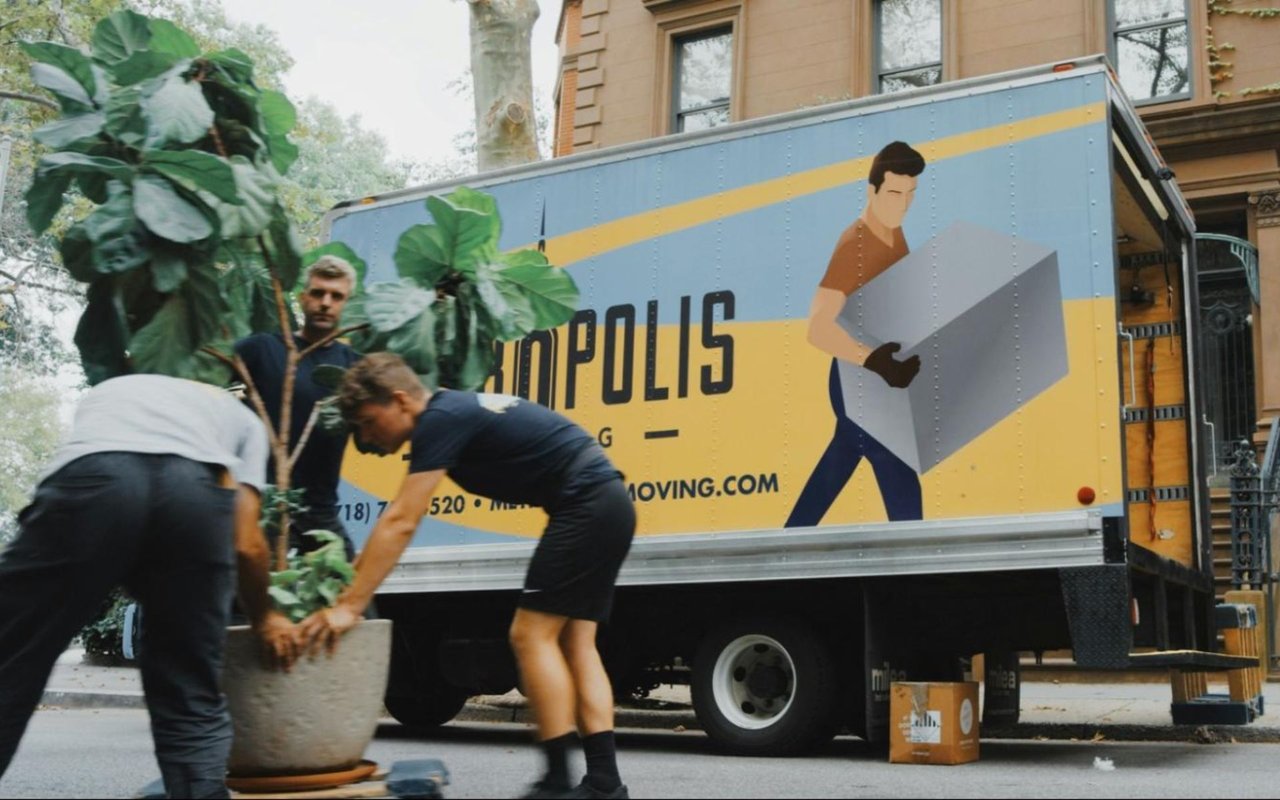
Don't move during "The Season." November through April brings a massive snowbird influx. Moving logistics, traffic, and availability all suffer. If you have flexibility, plan your move between May and September.
Beyond price, the real due diligence in Boca is financial structure. Before you fall in love with a property, understand exactly what you're buying into:
HOA and club obligations vary dramatically. Mandatory vs. non-mandatory club membership changes the true cost of a home by six figures. Ask explicitly — the listing won't always make it obvious.
Condo buyers need extra caution. Florida's post-Surfside structural integrity laws mean older buildings may be facing or have recently passed large special assessments for concrete and roof work. Request the last three years of association meeting minutes before making an offer.
The 4-Point Inspection threshold applies to homes over 30 years old. Aging roofs (15+ years) can make a home effectively uninsurable in the private market, which is a dealbreaker for most lenders.
Flood zone status matters even inland. Verify the property's FEMA designation and current elevation. As of 2026, Florida law requires many homeowners with Citizens Insurance to carry flood coverage regardless of zone.
Traffic proximity is a lifestyle factor. Glades Road is convenient but can be loud. Know what you're trading for location before committing.
Timing is everything. The late January through April window is when your buyer pool is at its deepest — snowbirds and out-of-state buyers are physically present and motivated to close before heading north. Listing in July or August means competing with heat, hurricane anxiety, and a much thinner local buyer pool.
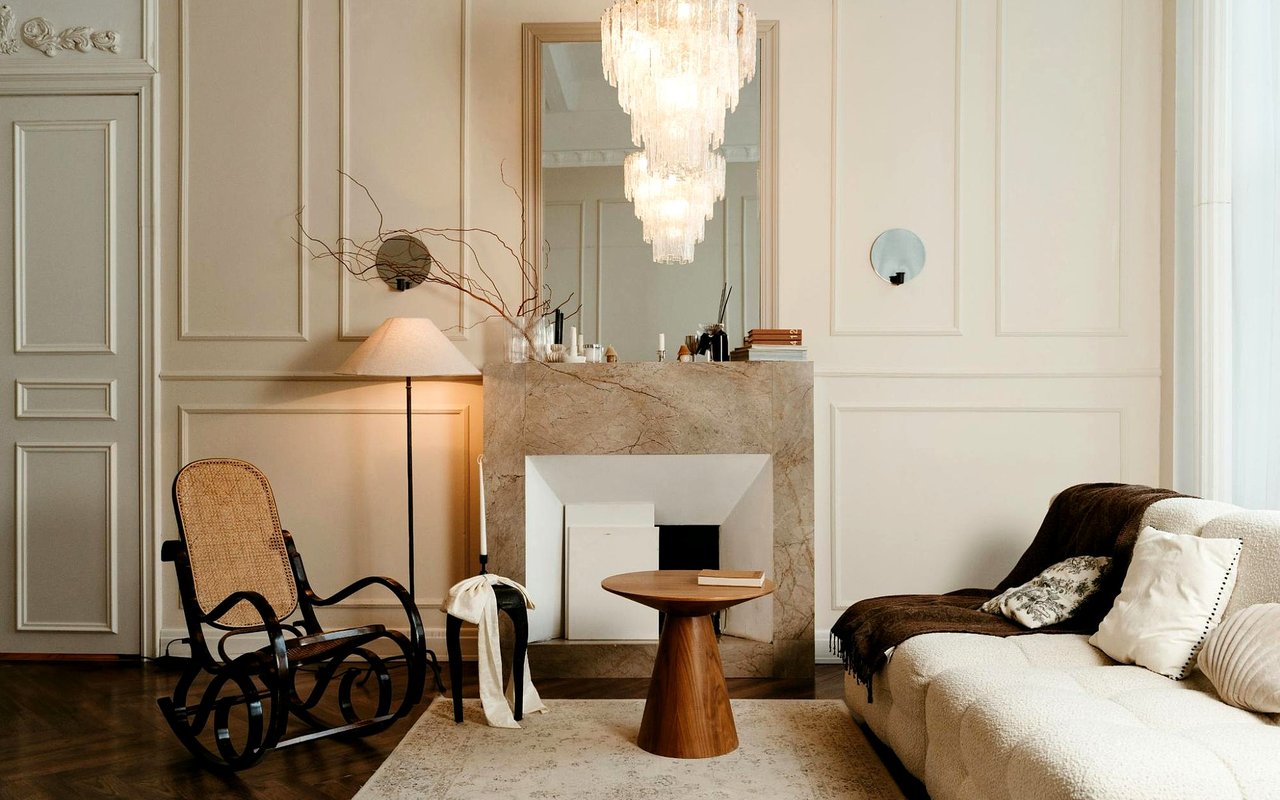
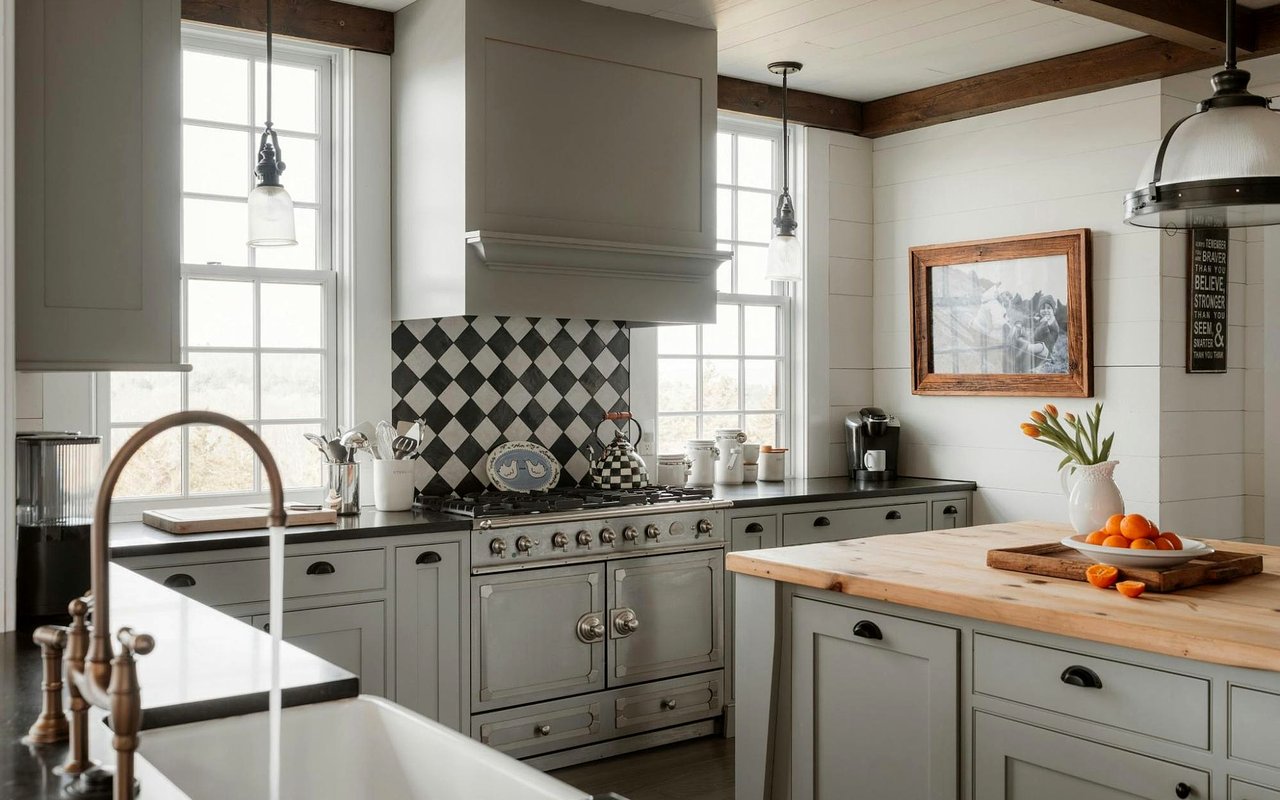
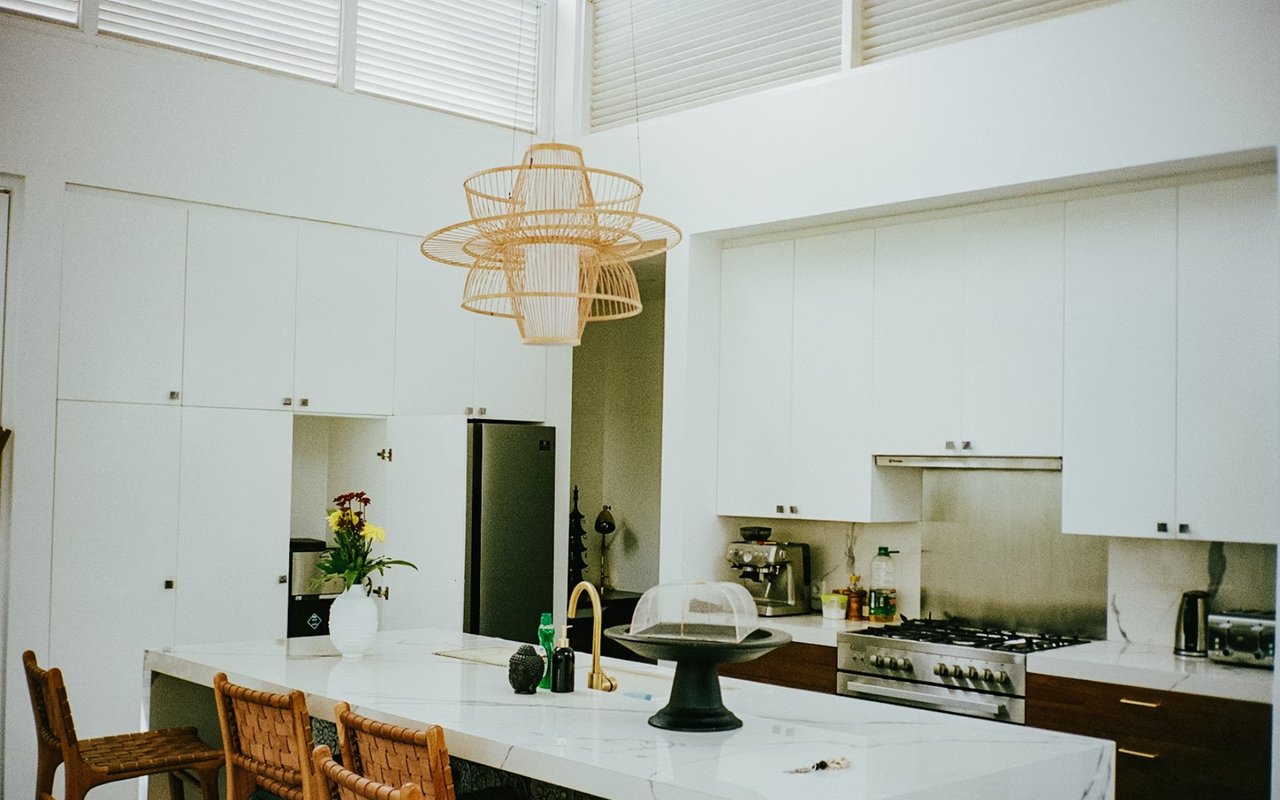
Buyers in 2026 are renovation-fatigued. High labor costs have made them overwhelmingly prefer move-in ready homes. The highest-ROI upgrades are a new garage door, professional landscaping, and a fresh exterior repaint in coastal neutral tones — often returning over 200% on investment. Interior-wise, the all-grey look is dated; buyers now want organic modern — warm whites, natural wood, curved lines.
Watch the 30-day rule. If you haven't received a serious offer in the first month, you're likely mispriced. Once a home crosses 90 days on market, buyers start fishing for blood — lowball offers become the norm. Price it right from day one.
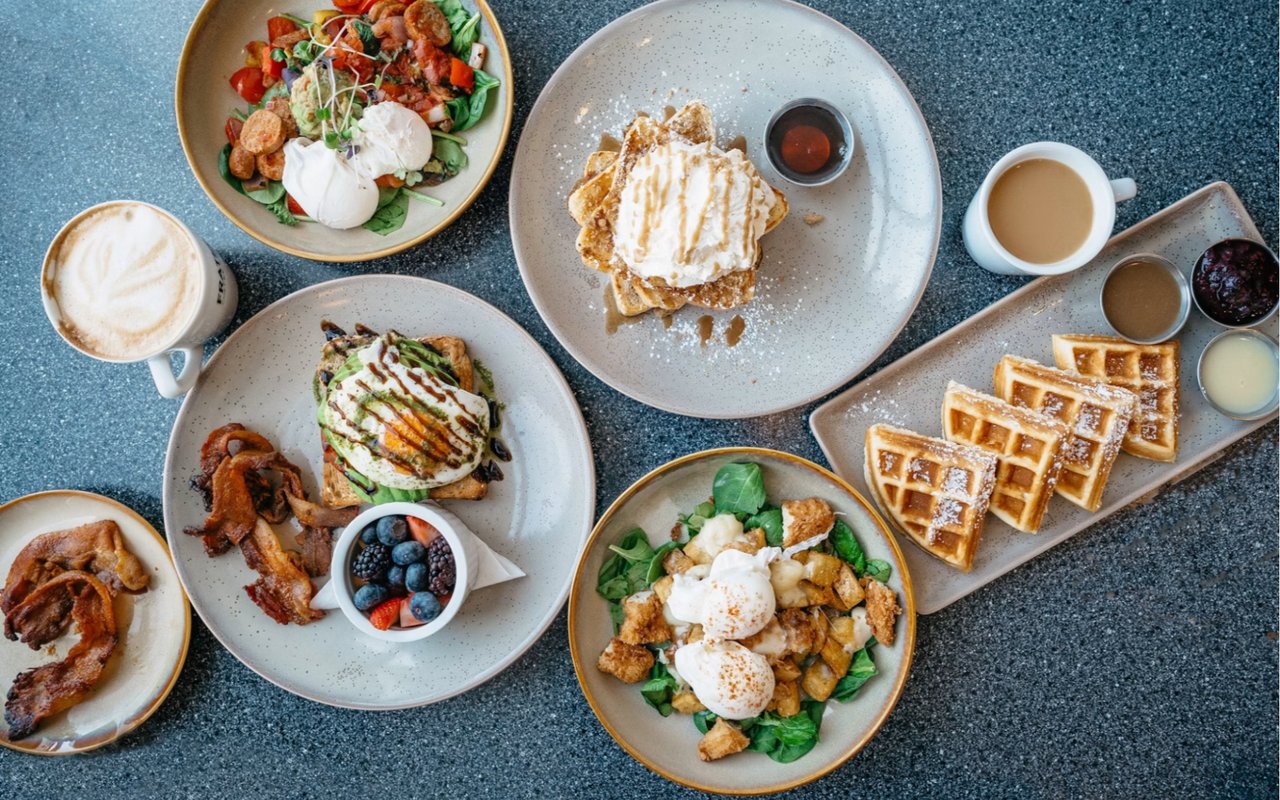
Boca's dining scene has two main gravitational pulls.
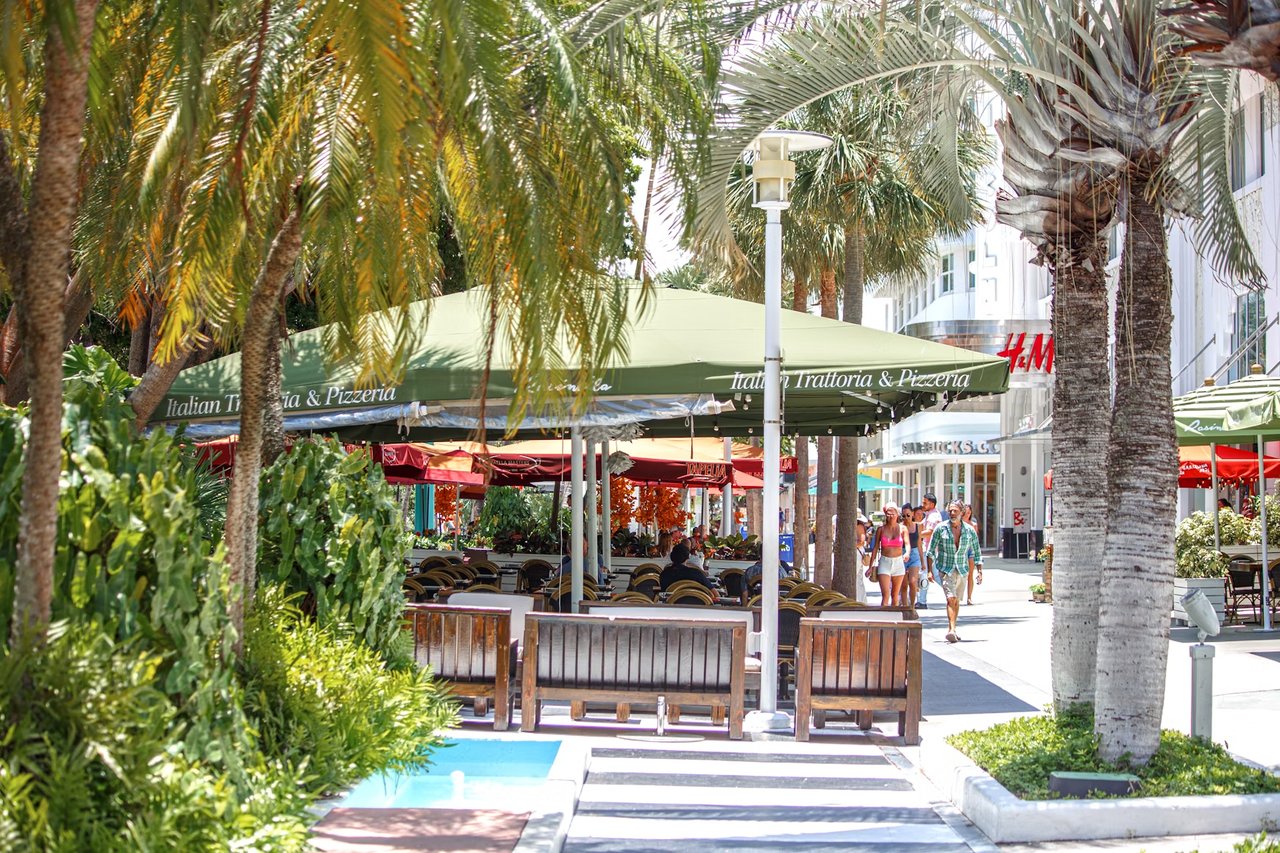
Mizner Park is the social center — outdoor, upscale, and very much about being seen. Max's Grille has anchored it for 30+ years and still delivers. Kapow Noodle Bar recently expanded with karaoke rooms. Serena Pastificio handles refined Northern Italian. The Boca Raton Museum of Art is right there too, so a dinner-and-culture evening is easy to pull off.
Restaurant Row near Town Center Mall has exploded with options. Meat Market is the go-to steakhouse. El Camino does upscale Mexican that draws regulars from across the city.
For waterfront dining, SeaSpray Inlet Grill is a solid local option. The Boca Raton resort has elite dining accessible to members and guests. And for live music, The Funky Biscuit remains the city's soul — jazz, blues, and rock in an intimate room that feels nothing like the surrounding luxury zip code.
Town Center at Boca Raton is one of South Florida's most profitable malls, and it shows. Neiman Marcus, Saks Fifth Avenue, Nordstrom, Gucci, Louis Vuitton, Chanel — it's legitimately high-end, not aspirational.
Royal Palm Place, just south of Mizner Park, is the boutique alternative — independent jewelers, specialty shops, and bridal boutiques in a charming Mediterranean plaza setting.
The Shops at Boca Center skews toward a younger, Midtown professional crowd with Anthropologie and Sur La Table anchoring the mix.
Grocery-wise, residents take their options seriously: Whole Foods, Publix GreenWise, and Trader Joe's cover the mainstream. Joseph's Classic Market and Doris Italian Market are beloved local institutions for quality charcuterie, prepared meals, and imported cheese. European Delights and Boca Oriental Market round out the international options.
Boca manages over 1,600 acres of parkland, which is remarkable for a city its size.
Red Reef Park is the star — 67 acres of oceanfront with shore-accessible snorkeling on a natural limestone reef, plus an executive golf course with ocean views. Gumbo Limbo Nature Center doubles as a sea turtle research and rescue hub with a new observation tower. Spanish River Park has tunnels under A1A for beach access and Bark Beach, the city's designated off-leash dog area on the sand.
Inland, Sugar Sand Park is the family anchor — a science playground, children's explorium, carousel, and the Willow Theatre. Patch Reef Park is the sports complex, with 28 tennis courts and 14 pickleball courts. Boca Ice & Fine Arts Center offers NHL-size rinks — a genuinely refreshing escape from the heat.
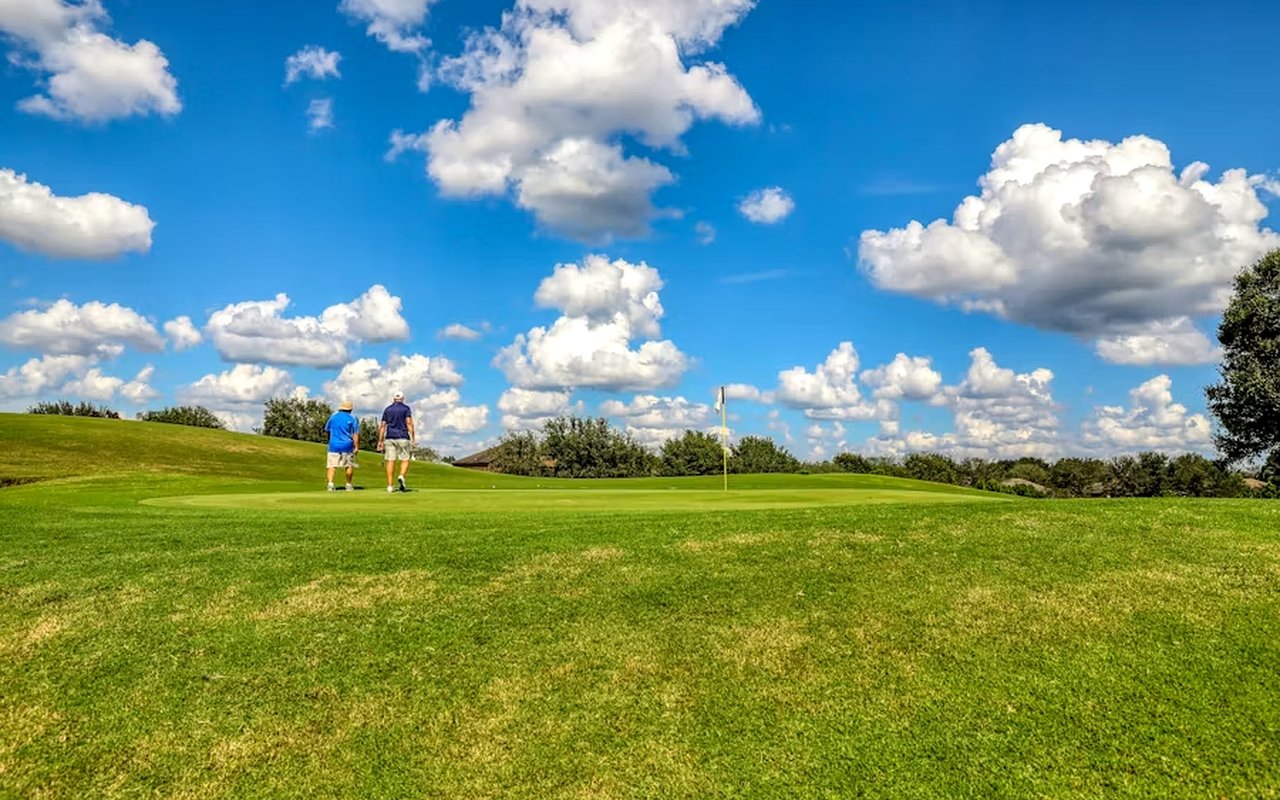
Golf is practically a religion here. Osprey Point is consistently ranked among Florida's best public courses. On the private side, Boca West with its four championship courses and Royal Palm Yacht & Country Club define what elite club golf looks like.
The unofficial city motto might as well be "only the best." Boca residents are deliberate about quality — in their schools, their restaurants, their clubs, their real estate, and their landscaping. It's a city that has strong aesthetic standards, enforced by zoning boards that keep the Addison Mizner Mediterranean look intact throughout the city.
There's a strong private club culture where social life often revolves more around your club than your street. Gala nights, tennis round-robins, bridge tournaments — the club IS the community for a significant chunk of residents.
The cultural calendar is genuinely impressive. The Festival of the Arts BOCA (February/March) is a 10-day event at Mizner Park Amphitheater bringing world-class orchestras, jazz legends, and international thought leaders. Boca Bacchanal draws celebrity chefs and elite vintners for a weekend of grand tastings. Saturday mornings in this city look like outdoor yoga at Wildflower Park followed by brunch downtown — it's a wellness-first, aesthetics-second (but close) lifestyle.
Underneath the resort surface runs a real intellectual current. FAU is a legitimate research university. The city birthed the IBM PC. The "work-from-anywhere CEO" sitting next to a research scientist at a café is a completely normal Boca Tuesday.
Schools are one of Boca's most powerful draws, and the numbers back it up. The Palm Beach County School District holds an "A" rating, and Boca's schools consistently rank at the top of it.
The three flagship public high schools — Boca Raton Community High, Spanish River High, and West Boca High — offer serious academic programming including STEM Academies and AICE (Cambridge) curricula that let students earn college credit before graduation. Spanish River and Boca Raton High zones carry a tangible price premium in real estate because of it.
On the private side, Saint Andrew's School is the gold standard — a JK-12 boarding and day school with a full IB program. Pine Crest School (Boca campus) focuses on innovation and technology for Pre-K through 8th grade. Donna Klein Jewish Academy operates on the largest Jewish campus in the country.
For higher education, FAU is a major research hub, particularly in ocean engineering and nursing. Lynn University offers a more personalized, tech-forward experience. Early childhood options include bilingual programs like the French International School Le Petit Prince for families who want language immersion from the start.
The car is still king, but Boca is actively changing that.
Brightline is the headline story. From the Downtown Boca station, you can reach Miami in 50 minutes or Orlando in under 3 hours in a premium cabin. For anyone commuting to either city, it's a genuine lifestyle upgrade over I-95. Tri-Rail at the Yamato Road station provides commuter rail service and is seeing significant investment — a $100M transit-oriented development broke ground in early 2026 to better connect housing and offices to that station.
By car, I-95 gives Boca four dedicated exits (Palmetto Park, Glades, Yamato, and Spanish River). Florida's Turnpike is the alternative for those wanting to bypass coastal traffic. Glades Road is the main east-west connector and is reliably congested during peak hours — factor that into your neighborhood decision.
For local mobility, BocaConnect (Circuit) operates free electric shuttles you can hail via app, now covering the barrier island and Downtown core. A pilot program of MiCa autonomous shuttles in Mizner Park is already moving residents between shops and theaters for free — a glimpse at where the city is heading.
East Boca / Coastal — Streets along and east of A1A in the Royal Palm Yacht & Country Club and The Sanctuary deliver waterfront estate living at the highest level. Camino Real corridor is a standout for buyers seeking established luxury with proximity to downtown.
Downtown / Midtown — Streets surrounding Mizner Park and Royal Palm Place offer walkability that's rare in South Florida. This pocket suits buyers who want to walk to dinner, culture, and the beach without a car.
West Boca — Boca Bridges & Lotus — These newer communities offer resort-style amenity packages on quiet internal streets with serious security. Ideal for families prioritizing a structured, safe neighborhood environment with modern finishes.
Near Brightline Station — Streets within a mile of the Downtown Boca station are increasingly desirable for commuter buyers who want the Florida lifestyle without giving up access to Miami or Fort Lauderdale.
Because it actually delivers on what it promises. A lot of cities sell the dream of a high quality of life and quietly underperform. Boca doesn't. The schools are legitimately excellent. The beaches are genuinely beautiful and accessible. The dining and shopping are world-class, not regional-class. The parks are abundant and well-maintained. The transit is getting meaningfully better. And the architecture has been protected so carefully that the city still looks like itself after a century of development.
It's also a city with layers. There's the country club Boca, the FAU research Boca, the downtown condo Boca, the West Boca family suburb Boca, and the oceanfront estate Boca. They coexist without friction, which is rare. Whatever version of Florida life you're chasing, Boca Raton has probably built a neighborhood for it — and done it well.
There's plenty to do around Boca, including shopping, dining, nightlife, parks, and more. Data provided by Walk Score and Yelp.
Explore popular things to do in the area, including Shell, Sunbeam Corporation, and Carole Putman Design representing the Carlisle and Per Se Collec.
| Name | Category | Distance | Reviews |
Ratings by
Yelp
|
|---|---|---|---|---|
| Dining | 1.31 miles | 0 reviews | 0/5 stars | |
| Dining · $$ | 1.32 miles | 7 reviews | 1.4/5 stars | |
| Shopping | 0.38 miles | 0 reviews | 0/5 stars | |
| Shopping | 1.05 miles | 0 reviews | 0/5 stars | |
| Shopping | 1.14 miles | 0 reviews | 0/5 stars | |
| Shopping | 1.15 miles | 9 reviews | 4/5 stars | |
| Shopping | 1.16 miles | 4 reviews | 3/5 stars | |
| Shopping | 1.19 miles | 3 reviews | 3.7/5 stars | |
| Shopping | 1.2 miles | 5 reviews | 3.2/5 stars | |
| Shopping | 1.21 miles | 8 reviews | 4.5/5 stars | |
| Shopping | 1.27 miles | 0 reviews | 0/5 stars | |
| Shopping | 1.27 miles | 1 review | 4/5 stars | |
| Active | 0.66 miles | 0 reviews | 0/5 stars | |
| Active | 1.24 miles | 0 reviews | 0/5 stars | |
| Active | 1.29 miles | 5 reviews | 3.8/5 stars | |
| Beauty | 0.96 miles | 11 reviews | 4.3/5 stars | |
| Beauty | 1.03 miles | 0 reviews | 0/5 stars | |
| Beauty | 1.05 miles | 0 reviews | 0/5 stars | |
| Beauty | 1.1 miles | 0 reviews | 0/5 stars | |
| Beauty | 1.1 miles | 0 reviews | 0/5 stars | |
| Beauty | 1.12 miles | 30 reviews | 4.2/5 stars | |
| Beauty | 1.18 miles | 3 reviews | 3.7/5 stars | |
| Beauty | 1.22 miles | 1 review | 5/5 stars | |
| Beauty | 1.23 miles | 56 reviews | 3.4/5 stars | |
|
|
||||
|
|
||||
|
|
||||
|
|
||||
|
|
||||
|
|
Boca has 100,586 households, with an average household size of 21.63. Data provided by the U.S. Census Bureau. Here’s what the people living in Boca do for work — and how long it takes them to get there. Data provided by the U.S. Census Bureau. 245,646 people call Boca home. The population density is 3,686 and the largest age group is Data provided by the U.S. Census Bureau.
Total Population
Population Density Population Density This is the number of people per square mile in a neighborhood.
Median Age
Men vs Women
Population by Age Group
0-9 Years
10-17 Years
18-24 Years
25-64 Years
65-74 Years
75+ Years
Education Level
Total Households
Average Household Size
Average individual Income
Households with Children
With Children:
Without Children:
Blue vs White Collar Workers
Blue Collar:
White Collar:
MATT & NICK TEAM
Office
648 George Bush Blvd
Delray Beach FL 33483
The Matt and Nick Team understand that buying or selling a home is one of the most significant decisions a person can make. They are dedicated to helping their clients overcome any challenges and are grateful for the opportunity to accompany them on their journey. Contact the Matt and Nick Team today to get started!
MATT & NICK TEAM
Office
648 George Bush Blvd
Delray Beach FL 33483
The Matt and Nick Team understand that buying or selling a home is one of the most significant decisions a person can make. They are dedicated to helping their clients overcome any challenges and are grateful for the opportunity to accompany them on their journey. Contact the Matt and Nick Team today to get started!